Pú Huáng · Cattail Pollen
Pú Huáng (蒲黄, Cattail Pollen) is a herb of Neutral nature and Sweet flavor, in the “Blood Moving” category. Tradition uses it to stop bleeding and activate blood, Eliminate stasis and relieve pain, Promover la diuresis.
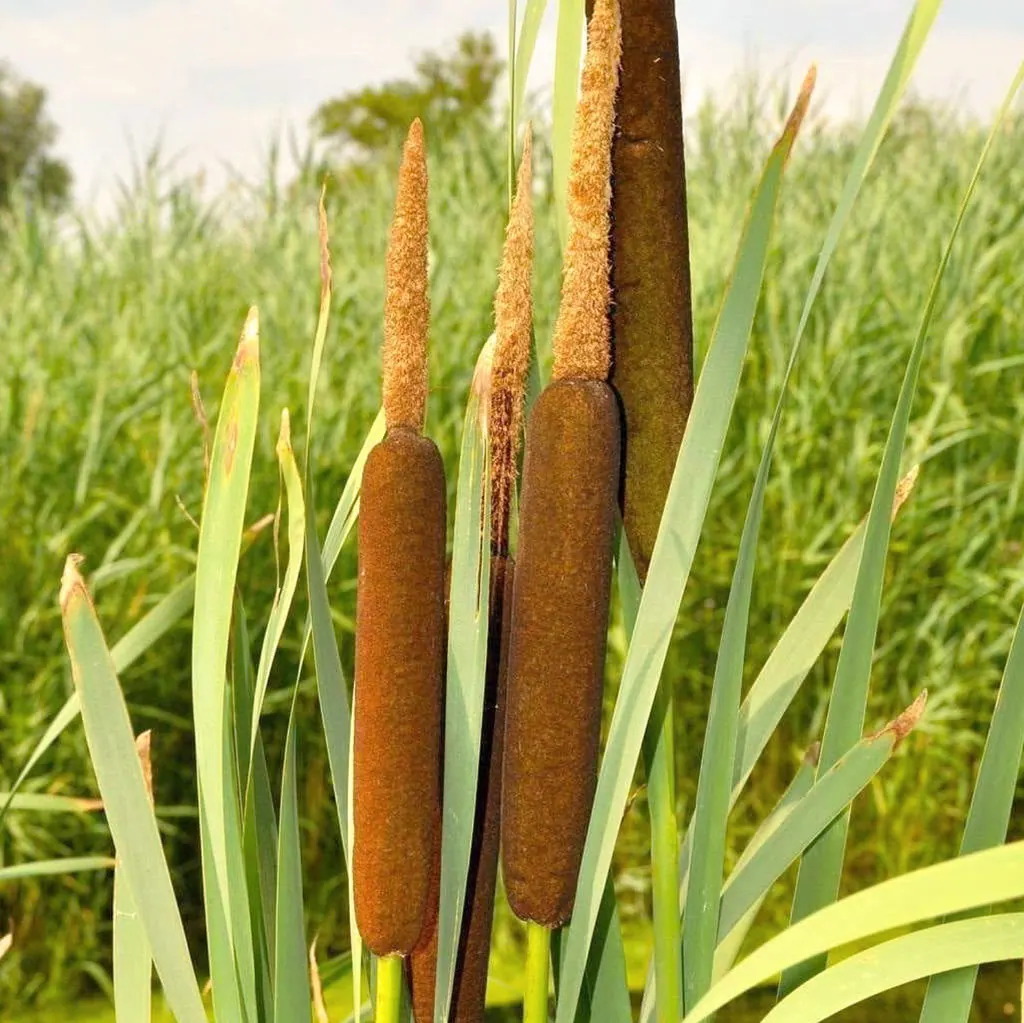
Energetic profile
- Pinyin name
- Pú Huáng
- Characters
- 蒲黄
- Botanical name
- Typha angustata Bory & Chaub.
- Family
- Typhaceae
- Part used
- Pollen
- Nature
- Neutral
- Flavor
- Sweet
- Meridians
- Heart, Liver, Spleen
- Category
- Blood Moving
- Toxicity
- Non-toxic
- Pregnancy
- Avoid
- Origin
- China, Europe, North America
Actions according to tradition
- Stop bleeding and activate blood
- Eliminate stasis and relieve pain
- Promover la diuresis
Traditional uses
- Hematuria, hemoptisis, metrorragia y otras hemorragias
- Abdominal pain due to postpartum blood stasis (Shao Fu Zhu Yu Tang)
- Dysuria and hematuria due to heat of the heart
- Trauma with pain and swelling
- Angina pectoris due to blood stasis
Studied effects and current applications
- Versatile hemostatic that acts on both bleeding and stasis
- Activates blood and relieves pelvic and abdominal pain
- Mild diuretic that relieves dysuria and hematuria
- In carbonized form, mainly hemostatic
- In raw form, it mainly activates the blood
Applications under investigation
- Hemorragias uterinas y disfuncionales
- Endometriosis y dismenorrea
- Enfermedad cardiovascular y angina
- Urinary disorders with bleeding
- Post-traumatic hematomas
An effect being investigated does not mean it has been proven in humans.
Contraindications and adverse effects
Absolute contraindications
- Pregnancy (promotes menstruation and may cause abortion)
- No active bleeding or blood stasis
Relative contraindications
- Tendency to bleed without stasis
- Imminent surgery
- Pregnancy
- CONTRAINDICATED in pregnancy. Promotes uterine circulation and can cause contractions and abortion.
- Breastfeeding
- Use with caution. Limited data during lactation.
- Children
- Not recommended for children under 12 years of age.
- Older adults
- Useful for the elderly with blood stasis bleeding. Caution with tendency to bleeding.
Possible adverse effects
- Excessive bleeding at high doses or without stasis
- gastric upset
When to stop
- Confirmed pregnancy
- Sangrado excesivo
- Before surgery
Interactions with medications
| Group | Drugs | Severity | Effect and recommendation |
|---|---|---|---|
| Anticoagulants | Warfarin, Heparin | Moderate | Additive anticoagulant effect - risk of bleeding Monitor INR. Use with caution. |
| Antiplatelet agents | Aspirin, Clopidogrel | Moderate | Additive antiplatelet effect Monitorizar riesgo de sangrado. |
With other herbs
- wu_ling_zhi Shi Xiao San Classic Combination for Blood Stasis with Acute Pelvic Pain
Reference dose
- Decoction
- 3-9 g daily (in a sachet)
- Powder
- 1-3 g daily
- Acute use
- 1-2 weeks
- Chronic use
- 2-4 weeks under supervision
- Maximum
- Corto plazo preferido
- Children
- Not recommended for children under 12 years of age.
Forms of preparation
Wrap 3-9g in a gauze sachet (包煎) before boiling for 20-30 min to prevent powder in the decoction.
Bleeding, pelvic pain
Carbonized form (蒲黄炭) 3-9g: especially hemostatic. Powder: apply directly to superficial wounds.
Acute bleeding, external hemostatic
Approximate doses from the literature; they are not a prescription. Consult a professional.
Active compounds
Flavonoids (typhaneoside, isorhamnetin) and polysaccharides
Flavonoids · Hemostatic, anti-inflammatory, cardioprotective
Thromboplastin stimulation, inhibition of paradoxical platelet aggregation · 0.5-2.0%
Heteropolysaccharides · Hemostatic, anti-inflammatory, immunomodulatory
Activation via coagulation, cytokine modulation · 10-20%
Phytosterols · Anti-inflammatory, hypolipidemic
Cholesterol synthesis inhibition, NF-κB modulation · 0.1-0.5%
Polyphenols · Astringent, hemostatic
Protein precipitation, local vasoconstriction · 3-8%
Harvesting and processing
- Harvest
- Summer (May-July), when the ears are in pollen
Pollen collected from male spikes of Typha angustifolia or T. orientalis. It is sifted to obtain fine yellow pollen. Raw pollen is yellow; the char is dark.
Pollen sifted and dried in the shade.
Pollen fried over high heat until dark in color.
Health notice. Educational and study content. It describes concepts of Traditional Chinese Medicine and does not replace diagnosis or treatment by a healthcare professional. Needling, medicinal herbs and invasive techniques must be applied by trained professionals. Safety guide.