Learn Chinese medicine by playing
363 acupuncture points, 86 herbs, 723 exercises and 20 practice cases, with twelve guides who explain every step. Tradition and science, clearly separated.

Your first exercise
This is how you learn at Medicina China Hoy: one question at a time and, if you get it wrong, an explanation of why. 723 activities in 14 units.
Someone gets hot flushes only before dawn. What does the timing suggest?
Sort each trait toward the pole it belongs to.
- Skin hot to the touch
- Slow, sparse speech
- Restless, cannot sit still
- Prefers to lie down
- Copious, clear urine
- Scanty, dark urine
A long-standing yin deficiency ends up producing cold and exhaustion too. Which relationship explains it?
Well done!
This was just a sample. There are 723 more activities waiting for you.
Where do you want to start?
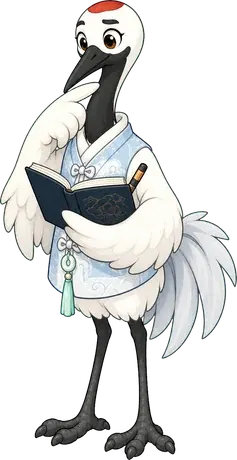
Each module has its guide. Meet the whole team →
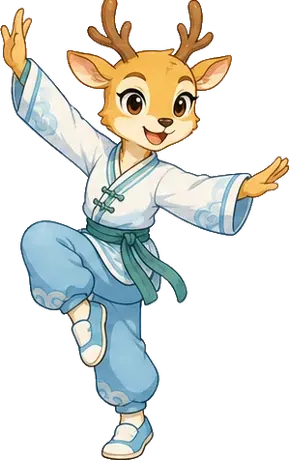
 Lin · 723 activitiesExercisesLearn by playing, with an explanation for every mistake.
 Bái · 20 patientsPractice casesRun the consultation yourself and decide the treatment.
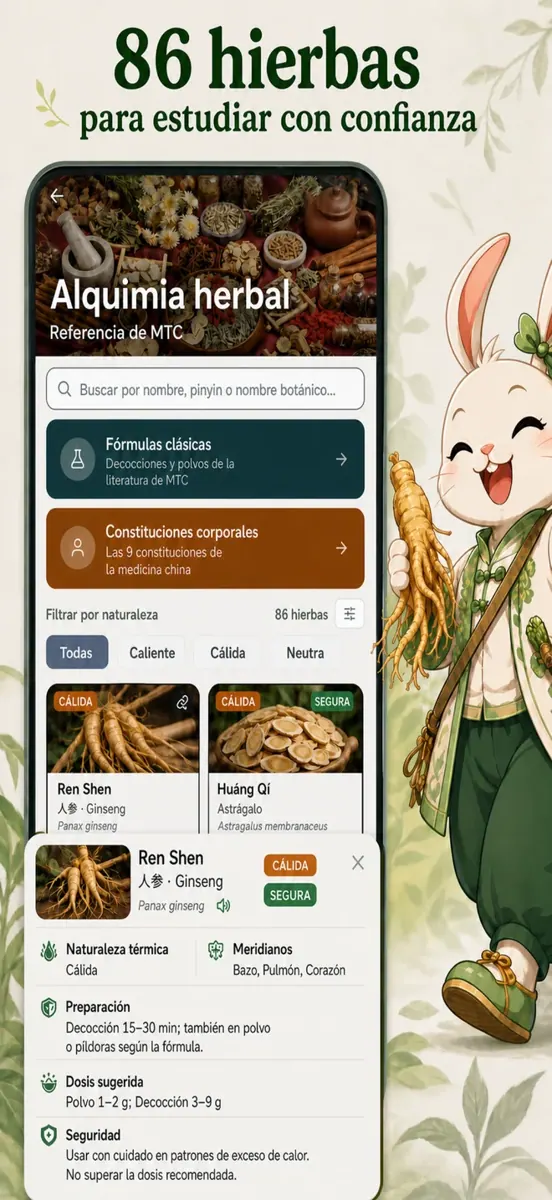
 Lán · 86 herbsHerbal medicineHerbs, doses, interactions and formulas.
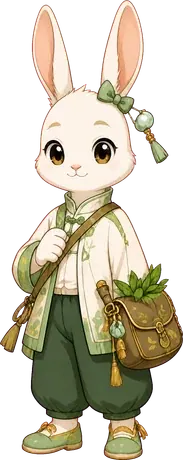 Bao · 30 recipesChinese dietary therapyFoods, principles and recipes.
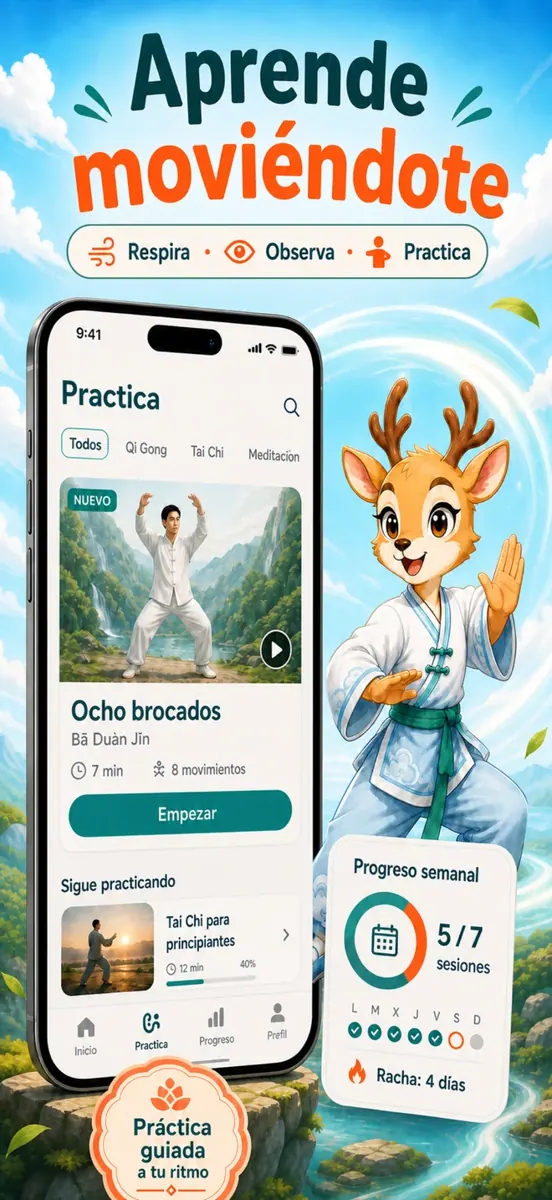
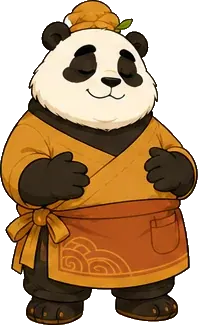 Qí · 5 practicesQigongStep-by-step routines with breathing.
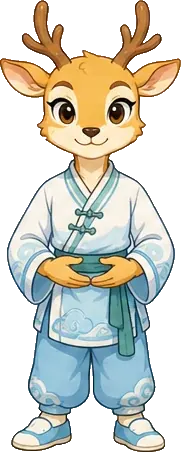 Sū · 4 coursesExternal therapiesCupping, moxa, gua sha and tuina.
 Ān · 5 mapsMicrosystemsEar, hand, scalp…
 Táo · 6 pillarsLongevityHabits to live longer and better.
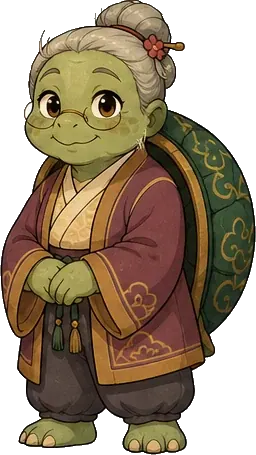 Xuán · 8 classicsAdvanced studyClassics, history, theory and methods.
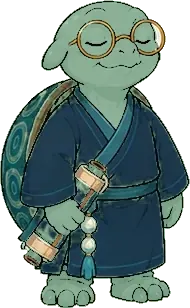 Hóng · 9 typesConstitutionsDiscover your type and how to take care of yourself.
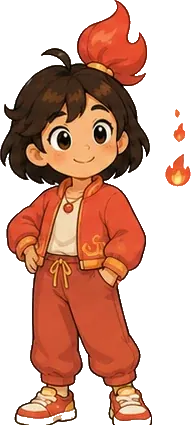 Maestro Yún · GuideSafetyWhen yes, when no and when to see a doctor.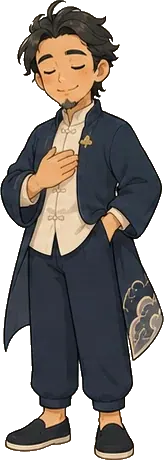
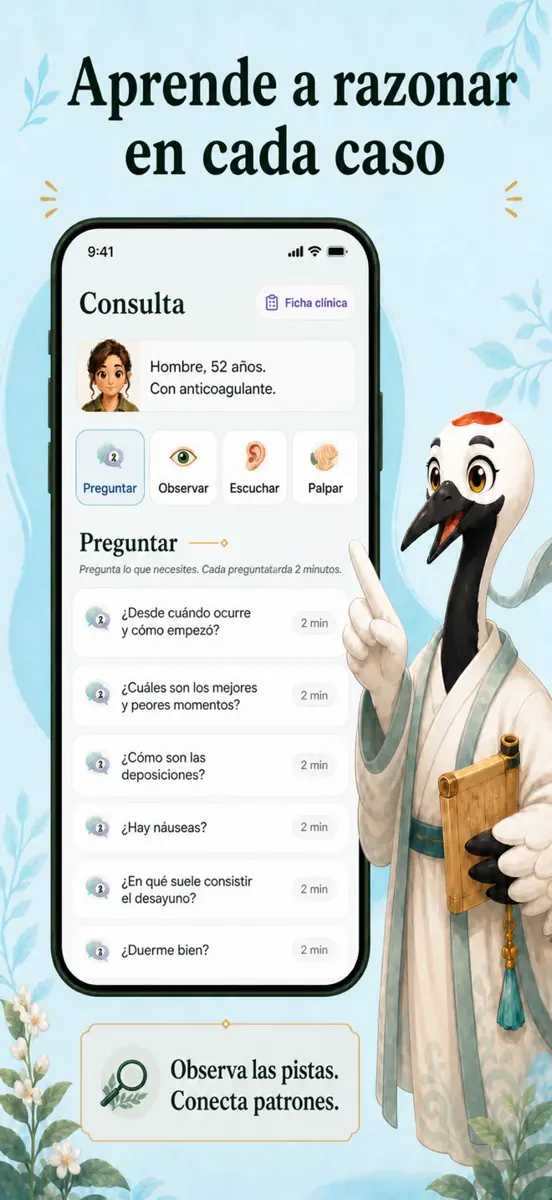
Today you run the consultation
Ask questions, look at the tongue, take the pulse, spot warning signs and choose the treatment. See the 20 patients →
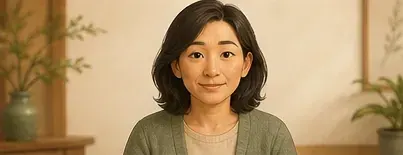 Insomnia and palpitations“I struggle to sleep and sometimes my heart races.”45-year-old woman, no regular medication.
 Bloating that collapses with work“I bloat almost every day and I have had no energy for a year.”52-year-old man. Takes an anticoagulant.
 Mucus that will not clear“I always have something in my throat and I feel heavy all day.”34-year-old woman, no regular medication.
All this, and more, on your phone
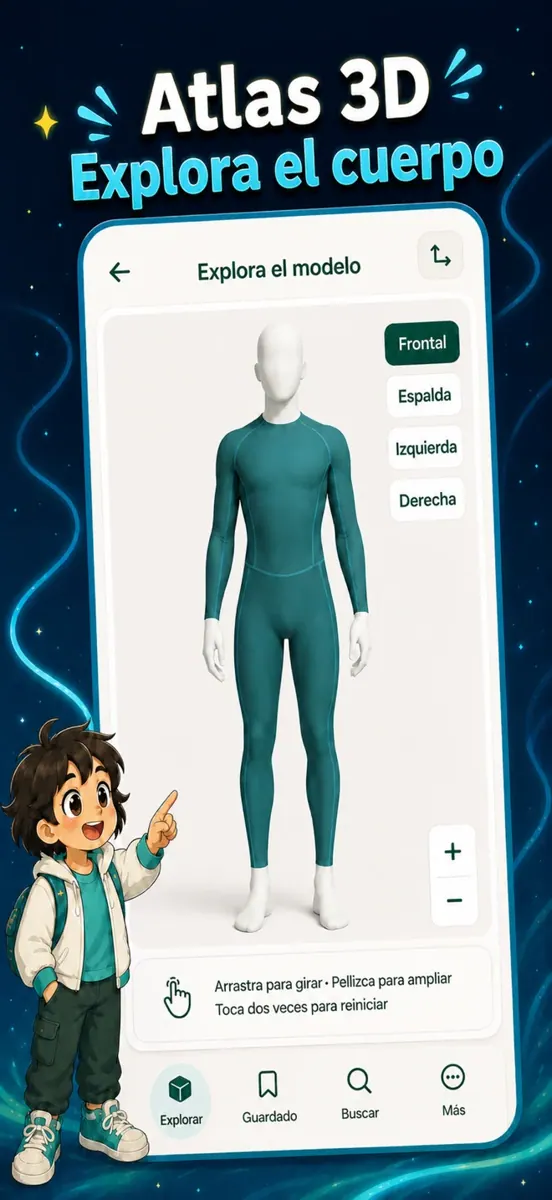
- 3D atlas of points and meridians
- Spaced repetition: the app reminds you of what you're about to forget
- Comprehensive exam and study certificate
- Practice cases with voice
- Notebook, favorites and works offline
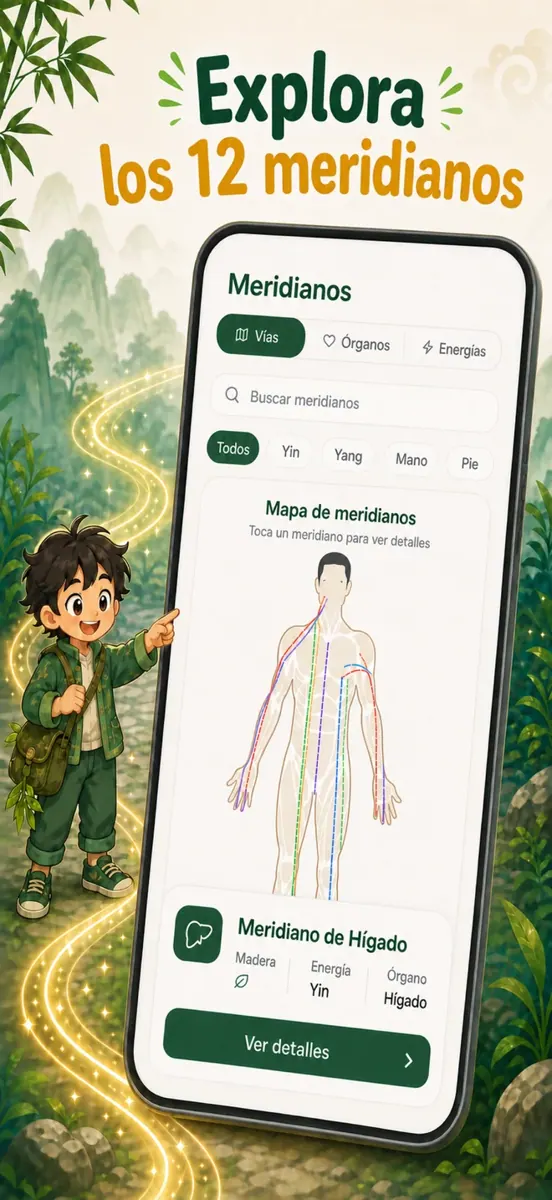
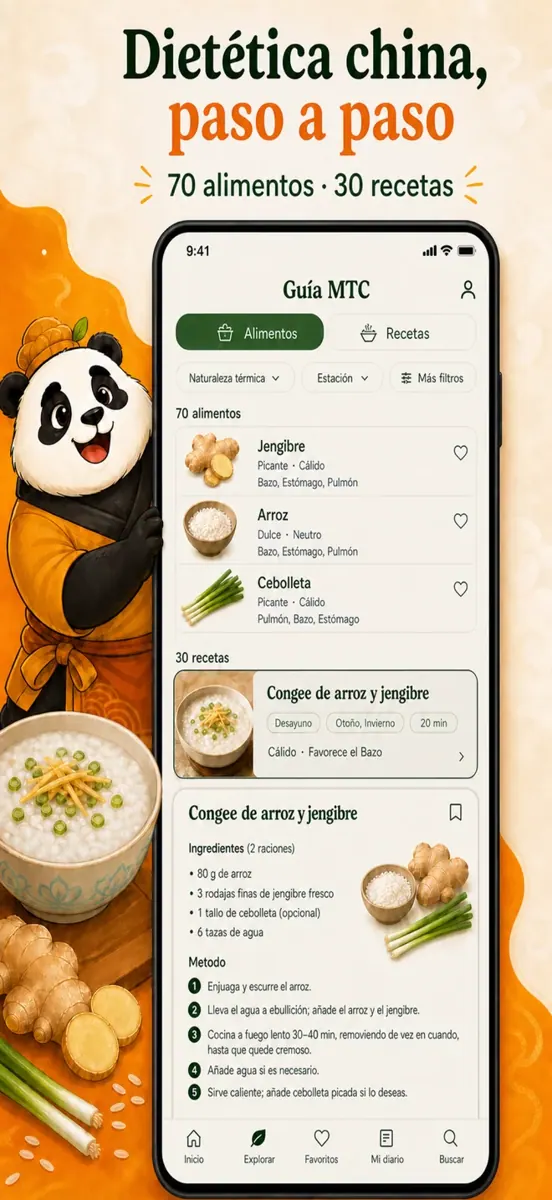
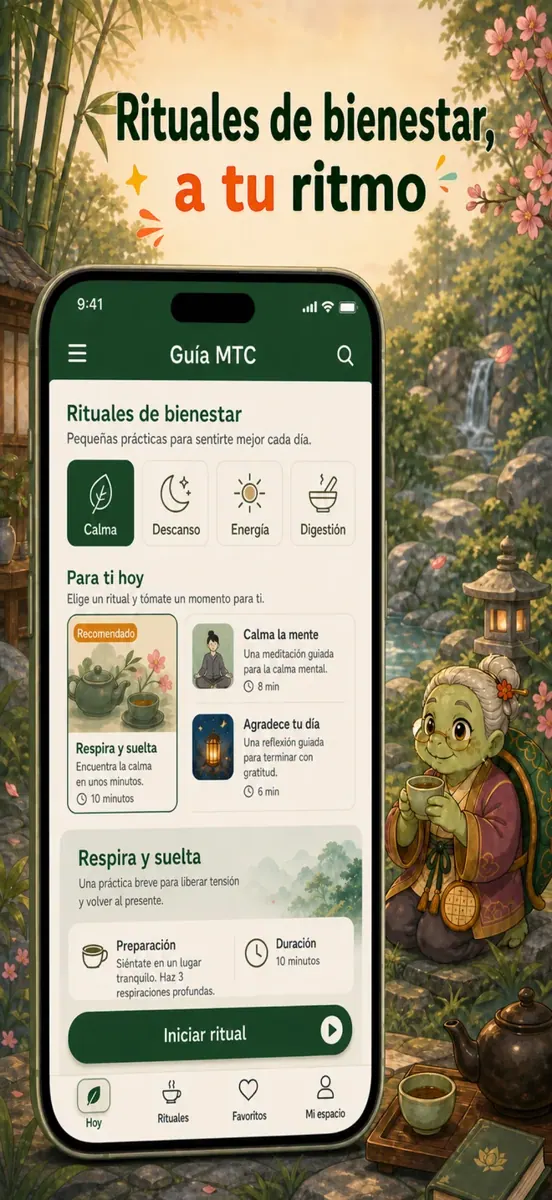
Essential guides
What Is Chinese Medicine? A Clear and Rigorous Introduction
Traditional Chinese medicine (TCM) is a health system with more than two thousand years of history that understands the body as a set of interrelated functions, in balance with its environment. It uses concepts such as Qi, Yin and Yang and the five elements, and relies on therapies such as acupuncture, herbal medicine, moxibustion, tuina massage, dietary therapy and exercises such as qigong.
Foundations阴阳Yin and Yang
In Chinese philosophy and medicine, Yin and Yang are two opposite and complementary aspects present in all phenomena: Yin represents what is cold, still and nourishing, and Yang what is warm, active and functional. Traditional Chinese Medicine understands health as their dynamic balance and disease as their imbalance.
Foundations五行The Five Elements
The five elements or five phases (wu xing) are Wood, Fire, Earth, Metal and Water, five categories that traditional Chinese medicine uses to relate organs, emotions, seasons, colors and flavors. They are linked to one another through a generating cycle (sheng), in which each element nourishes the next, and a controlling cycle (ke), in which each element restrains another.
Therapies针灸Acupuncture
Acupuncture is a traditional Chinese medicine technique that involves inserting very fine needles into specific points on the body. Traditionally it is explained as a way of regulating the flow of Qi through the meridians; current research suggests modest benefits, mainly for some types of chronic pain and for nausea.
Diagnosis舌诊Tongue diagnosis in Chinese medicine
Tongue diagnosis (she zhen) is an observation technique of Traditional Chinese Medicine that interprets the color, shape, moisture and coating of the tongue as a reflection of the state of Qi, Blood and the organs. It is part of the four diagnostic methods and is used alongside the pulse and questioning, not on its own.
Therapies食疗Chinese Dietary Therapy
Chinese dietary therapy is the branch of traditional Chinese medicine that uses food to maintain health and balance. It classifies each food by its nature, from cold to hot, and by its flavor, and recommends adapting them to the person and the season; these categories are traditional and have not been scientifically validated.
Traditional concept, not a diagnostic tool. Uses your device's time.
The organ clock, in real time
According to tradition, Qi travels through the twelve organs in two-hour slots. See which one is active now and what is associated with it.
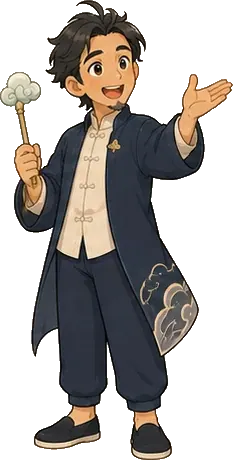
Tradition and evidence, kept separate. On every page we distinguish the traditional concept from what research has demonstrated, and we point out risks and interactions. The information is educational and does not replace a consultation with a healthcare professional. How we assess the evidence.