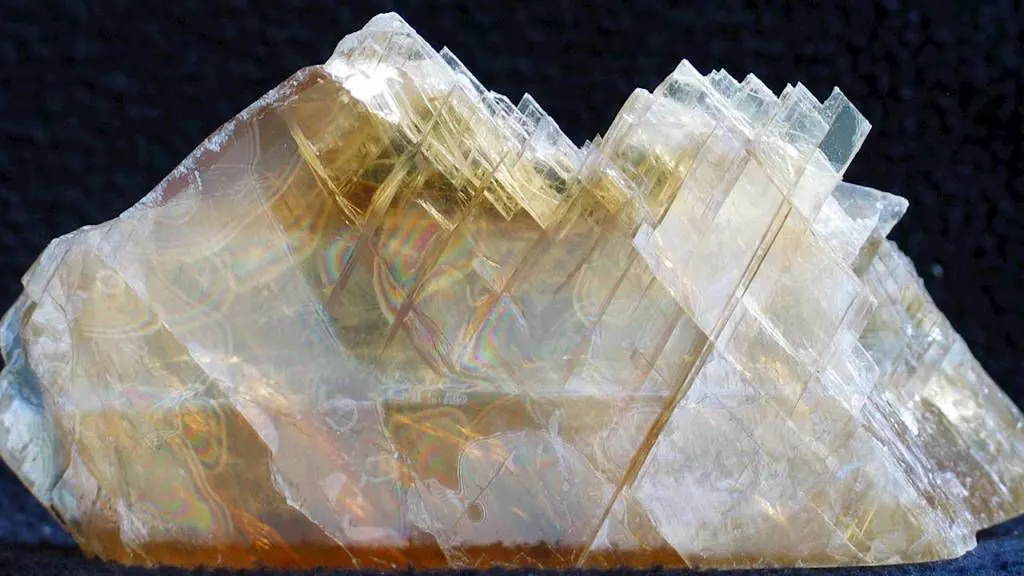
Shí Gāo · Gypsum
Shí Gāo (石膏, Gypsum) is a herb of Cold nature and Sweet, Pungent flavor, in the “Heat Clearing” category. Tradition uses it to clear the heat of the Qi level, Reduce fire and relieve thirst, Relieve tooth and gum pain.
Energetic profile
- Pinyin name
- Shí Gāo
- Characters
- 石膏
- Botanical name
- Calcium sulfate dihydrate (CaSO4·2H2O)
- Family
- Mineral
- Part used
- Mineral
- Nature
- Cold
- Flavor
- Sweet, Pungent
- Meridians
- Lung, Stomach
- Category
- Heat Clearing
- Toxicity
- Non-toxic
- Pregnancy
- Caution
- Origin
- China, Inner Mongolia
Actions according to tradition
- Clear the heat of the Qi level
- Reduce fire and relieve thirst
- Relieve tooth and gum pain
Traditional uses
- High fever with intense thirst, profuse sweating and irritability (Qi level)
- Pneumonia and bronchitis with high heat
- Toothache, gingivitis and stomatitis due to heat of the Stomach
- Eczema and burns (calcined form, external use)
- Cough due to heat of the lung
Studied effects and current applications
- Powerful heat reducer at the Qi level (high fever)
- Relieves intense thirst, irritability and sweating in high fever
- Cools the heat of the Stomach, relieving gum and tooth pain
- Cleans the heat of the Lung in cough with fever
- External astringent in calcined form for wounds
Applications under investigation
- Fever in infectious diseases
- Pneumonia
- Gingivitis y periodontitis
- Burns and eczema (burned external use)
- COVID-19 and flu with high fever
An effect being investigated does not mean it has been proven in humans.
Contraindications and adverse effects
Absolute contraindications
- Cold pattern (any manifestation of internal cold)
- Spleen deficiency with diarrhea
- Yang deficiente
- Absence of Qi level heat
Relative contraindications
- Pregnancy in high doses
- Hypotension
- Pregnancy
- Use only in acute high fever during pregnancy. At short normal doses it can be safe.
- Breastfeeding
- Use with caution. Brief use in acute fever.
- Children
- Safe for children with high fever. Reduce dose. Avoid in cold pattern.
- Older adults
- Use with caution in the elderly. High risk of damage to Spleen Yang. Combine with warm herbs.
Possible adverse effects
- Diarrhea and abdominal cold due to very cold nature
- Loss of appetite
- Spleen weakness
When to stop
- Fever subsides
- Diarrhea appears
- Signs of cold
- Pattern is not of excessive heat of the Qi level
Interactions with medications
| Group | Drugs | Severity | Effect and recommendation |
|---|---|---|---|
| Fluoroquinolones and tetracyclines | Ciprofloxacino, Tetraciclina, Doxiciclina | Moderate | Shi Gao calcium can chelate antibiotics, reducing their absorption Separate by at least 2-4 hours. |
| Antipyretics | Paracetamol, Ibuprofeno | Mild | Complementary antipyretic effects Generally safe in acute use. |
With other herbs
- zhi_mu Classic Bai Hu Tang Combination for Qi Level Heat with High Fever
Reference dose
- Decoction
- 15-60 g daily (pre-decocted)
- Powder
- 3-6 g daily (limited external or internal use)
- Acute use
- 1-7 days for fever
- Chronic use
- NOT RECOMMENDED for chronic use
- Maximum
- Acute and short-term use only
- Children
- Use with caution in children. Reduce dose. Avoid in diarrhea.
Forms of preparation
Mandatory pre-decoction (先煎): boil 15-60g for 30-60 min before adding other herbs. Crush beforehand.
High Qi level fever, intense thirst
Calcined form (煅石膏) powder for external use on burns, eczema, ulcers.
External use: burns, skin lesions
Approximate doses from the literature; they are not a prescription. Consult a professional.
Active compounds
Calcium sulfate dihydrate (CaSO₄·2H₂O) with traces of minerals
inorganic mineral · Purges fire, generates fluids, calms the spirit with heat
Heat absorption (endothermic upon dissolution), thermoregulation modulation · >90% of the mineral
mineral ion · Neuromuscular modulator, fluid generator
Regulation of calcium channels, stimulation of salivary and gastric secretion · 23% theoretical elemental Ca
Trace minerals · No direct pharmacological action
Mineral impurities in the deposit · <1%
bound water · Heat purge, cooling
Latent heat absorption when losing water of crystallization · 20.9% molecular weight
Harvesting and processing
- Harvest
- All year round (mineral)
Mineral gypsum (calcium sulfate dihydrate) extracted from deposits. It is cleaned, crushed and strained. Hubei plaster (湖北石膏) is a reference.
Coarse powder or pieces. It should be decocted 20-30 minutes before other herbs.
Gypsum calcined over high heat until it loses crystallization water and turns into a fine white powder.
Formulas it appears in
Health notice. Educational and study content. It describes concepts of Traditional Chinese Medicine and does not replace diagnosis or treatment by a healthcare professional. Needling, medicinal herbs and invasive techniques must be applied by trained professionals. Safety guide.