Nutrition and Longevity
Nutrition is one of the fundamental pillars for a long and healthy life. Scientific studies have shown that diet directly influences cellular aging, cognitive function, and the prevention of chronic diseases.
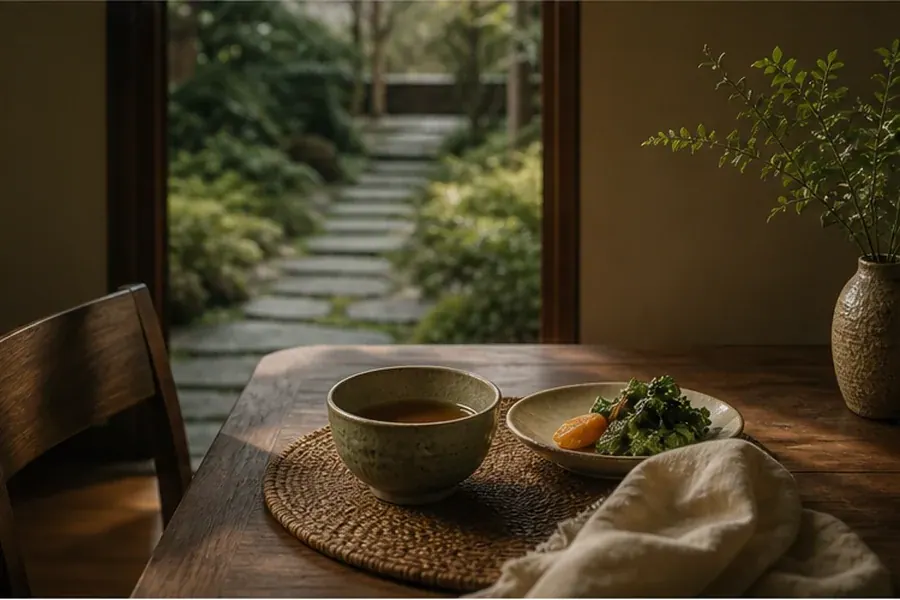
Longevity Nutrition Fundamentals
Caloric Restriction
Multiple studies show that reducing caloric intake by 20-30% (without malnutrition) can extend lifespan. This activates cellular repair processes and reduces oxidative stress.
- Activates cellular autophagy
- Reduces systemic inflammation
- Improves insulin sensitivity
- Protects against neurodegenerative diseases
Anti-inflammatory Foods
Chronic inflammation accelerates aging. Consuming foods rich in antioxidants and anti-inflammatory compounds is essential.
- Berries: blueberries, blackberries, raspberries
- Fatty fish: salmon, sardines (omega-3)
- Cruciferous vegetables: broccoli, kale
- Spices: turmeric, ginger
- Nuts: walnuts, almonds
Quality Proteins
Adequate protein prevents sarcopenia (muscle loss) associated with aging.
- 1.2-1.6g per kg body weight for older adults
- Sources: fish, legumes, eggs, tofu
- Distribute intake throughout the day
- Prioritize complete proteins
Key Foods for Longevity
Leafy Greens
Spinach, kale, chard - Rich in vitamin K, folate, lutein. Protect brain and cardiovascular health.
Benefits
- Improve cognitive function
- Reduce cataract risk
- Strengthen bones
Green Tea
Contains catechins and EGCG, potent antioxidants that promote cellular longevity.
Benefits
- Improves metabolism
- Cardiovascular protection
- Neuroprotection
Extra Virgin Olive Oil
Rich in monounsaturated fats and polyphenols. Base of the Mediterranean diet.
Benefits
- Reduces inflammation
- Protects the heart
- Improves gut health
Legumes
Lentils, chickpeas, beans - High in fiber, plant protein and micronutrients.
Benefits
- Stabilize blood sugar
- Feed microbiota
- High satiety
Fermented Foods
Kimchi, kefir, plain yogurt - Natural probiotics for gut health.
Benefits
- Improve digestion
- Strengthen immunity
- Produce vitamins
Nutritional Practices
Intermittent Fasting
Alternating eating and fasting periods. Most common protocols are 16:8 or 5:2.
How to do it
- 16:8 - Fast 16 hours, eat in 8-hour window
- Start gradually (12 hours)
- Maintain hydration during fast
- Not for everyone - consult a doctor
Benefits
- Cellular autophagy
- Improved insulin sensitivity
- Body weight reduction
Nutrient Timing
When you eat can be as important as what you eat.
How to do it
- Protein-rich breakfast
- Complex carbs in first half of day
- Light dinner 2-3 hours before bed
- Higher caloric intake during daylight hours
Mindful Hydration
Water is essential for all cellular processes.
How to do it
- 2-3 liters daily depending on activity
- Drink water upon waking
- Include unsweetened teas and infusions
- Water before meals improves digestion
What to Avoid or Limit
Added Sugars
Accelerate cellular aging through advanced glycation (AGEs).
Impact: Increases inflammation, diabetes risk, cognitive decline
Ultra-processed Foods
High in sodium, trans fats and artificial additives.
Impact: Gut dysbiosis, cardiovascular disease, cancer
Excess Red Meat
Especially processed meats like cold cuts.
Impact: Increases cardiovascular risk and some cancers
Excess Alcohol
More than 1 drink per day can be harmful.
Impact: Liver damage, premature aging, cognitive decline
Science and Studies
Okinawa Study
Finding: Okinawa, Japan residents have one of the world's highest life expectancies. Their diet is based on vegetables, sweet potatoes, tofu and fish with 'Hara Hachi Bu' practice (eating until 80% full).
MIND Diet
Finding: Combination of Mediterranean and DASH diets. Studies show 53% reduction in Alzheimer's risk when followed rigorously.
Polyphenols and Longevity
Finding: Nature-published research shows plant food polyphenols activate longevity-related genes (sirtuins) and protect DNA.
Methionine Restriction
Finding: Animal studies suggest reducing methionine (amino acid abundant in meat) may extend life. This supports plant-based diets.
Practical tips
- Fill half your plate with varied vegetables
- Eat a handful of nuts daily
- Prioritize foods in their most natural form
- Eat the rainbow - variety of vegetable colors
- Chew slowly - improves digestion and satiety
- Cook at home most of your meals
- Read labels - avoid ingredients you don't recognize
- Incorporate anti-inflammatory spices into your dishes
Learn more
- book — How Not to Die — Dr. Michael Greger — Evidence-based guide on nutrition to prevent disease
- documentary — Blue Zones — Exploration of regions where people live longest
- app — Cronometer — Detailed micronutrient tracking
Health notice. Educational and study content. It describes concepts of Traditional Chinese Medicine and does not replace diagnosis or treatment by a healthcare professional. Needling, medicinal herbs and invasive techniques must be applied by trained professionals. Safety guide.