The Regenerative Power of Sleep
Sleep is not wasted time - it's when your body repairs, consolidates memories and eliminates brain toxins. Chronic sleep deprivation accelerates aging and increases risk of virtually all chronic diseases.
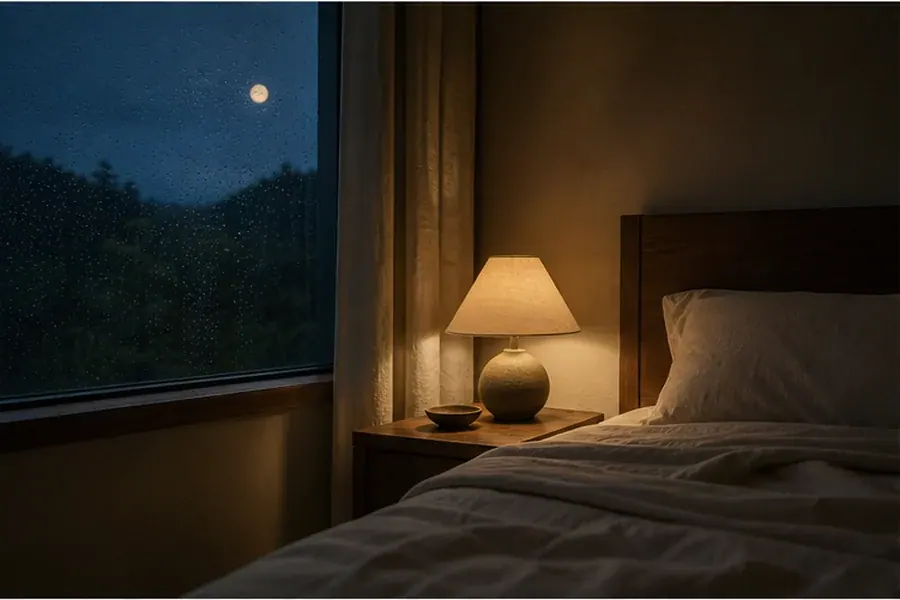
Sleep Stages
Light Non-REM Sleep (Stage 1-2)
Duration: 50-60% of total sleep
Transition between wakefulness and deep sleep. Decreases heart rate and temperature.
Preparation for deep sleep, muscle relaxation
Deep Non-REM Sleep (Stage 3-4)
Duration: 15-25% of total sleep
The most physically restorative sleep. Critical in early sleep hours.
Tissue repair, growth, memory consolidation, immune strengthening
Why it matters: The KEY to feeling restored. Decreases with age but can be improved.
REM Sleep (Rapid Eye Movement)
Duration: 20-25% of total sleep
Vivid dream phase. Brain very active, body paralyzed.
Emotional processing, memory consolidation, creativity, learning
Why it matters: Essential for mental health and cognitive function.
Benefits of Quality Sleep
Brain and Cognition
Benefits
- Glymphatic system cleans toxic proteins (beta-amyloid)
- Consolidates long-term memories
- Improves decision-making and creativity
- Restores frontal lobe function
- Prevents cognitive decline and dementia
Immune System
Benefits
- Produces and regulates T cells (immunity)
- Increases vaccine response
- Reduces chronic inflammation
- Fights infections more effectively
Metabolism
Benefits
- Regulates hunger hormones (leptin and ghrelin)
- Improves insulin sensitivity
- Maintains healthy weight
- Optimizes mitochondrial function
Cardiovascular
Benefits
- Lowers blood pressure
- Decreases heart rate
- Repairs cardiovascular tissue
- 45% lower heart attack risk
Cellular Longevity
Benefits
- DNA repair
- Growth hormone production
- Autophagy and cellular cleaning
- Reduced oxidative stress
Sleep Optimization
Ideal Environment
Your bedroom should be a sleep sanctuary.
- Temperature: 16-19°C (60-67°F) - cooler is better
- Total darkness - use blackout curtains or mask
- Silence or constant white noise
- Quality mattress and pillow
- Remove electronic devices
- Minimize LED light (especially blue)
Sleep Hygiene
Daily habits that promote good sleep.
- Consistent schedule - same time 7 days
- Morning sunlight exposure (15-30 min)
- Regular exercise (not 3h before bed)
- Avoid caffeine after 2pm
- Light dinner 2-3 hours before
- Relaxing pre-sleep routine (30-60 min)
Light Management
Light is the most powerful circadian rhythm synchronizer.
- Bright light in morning upon waking
- Reduce blue lights 2-3h before bed
- Use blue light filters on devices
- Dim warm lights at night
- Consider blue-blocking glasses
- No screens in bedroom
Science-Backed Supplements
Natural aids when needed.
- Magnesium (glycinate or threonate) · 200-400mg before bed · Muscle relaxation, improved deep sleep
- Melatonin · 0.3-3mg (less is more) · Sleep signal, circadian adjustment
- L-Theanine · 200mg · Mental calm without sedation
- Apigenin (chamomile) · 50mg · Mild anxiolytic
Common Problems and Solutions
Difficulty Falling Asleep
Causes
- Mental stress
- Nighttime blue light
- Late caffeine
Solutions
- 4-7-8 technique: inhale 4sec, hold 7sec, exhale 8sec
- Journaling before bed
- Meditation or body scan
- Read (physical book, not screen)
- Body temperature - hot shower 90 min before
Nighttime Awakenings
Causes
- Sleep apnea
- Alcohol
- Temperature
- Bladder
Solutions
- Evaluate sleep apnea if frequent
- Avoid alcohol 3h before bed
- Adjust room temperature
- Limit fluids 2h before
- Nasal breathing with tape if you snore
Early Waking
Causes
- High cortisol
- Ambient light
- Age
Solutions
- Daytime stress management
- Total darkness in bedroom
- Magnesium before bed
- Possible deep sleep deficit
Non-Restorative Sleep
Causes
- Fragmented sleep
- Lack of depth
- Apnea
Solutions
- Sleep tracking (Oura, Whoop, etc.)
- Review medications
- Regular exercise especially strength
- Sauna or hot bath at night
Research and Data
Glymphatic System (Dr. Maiken Nedergaard)
Finding: Brain Cleaning
During deep sleep, space between neurons expands 60%, allowing cerebrospinal fluid to clean toxins like beta-amyloid (linked to Alzheimer's).
University of Surrey, 2013
Finding: Sleep Deprivation and Genes
One week of 6h sleep altered expression of over 700 genes related to immunity, stress, inflammation and metabolism.
Whitehall II Study
Finding: Sleep and Longevity
People who sleep 7-8 hours have lowest mortality. Less than 6h or more than 9h increases premature death risk.
Matthew Walker, UC Berkeley
Finding: Memory and Consolidation
REM sleep integrates new information with prior knowledge. REM deprivation reduces learning capacity by 40%.
Johns Hopkins Bloomberg School
Finding: Alzheimer's and Sleep
Each hour less sleep is associated with 27% more beta-amyloid accumulation in the brain.
Measurement and Tracking
Total Duration
Goal: 7-9 hours for adults
Why it matters: Fundamental base, but quality > quantity
Sleep Latency
Goal: 10-20 minutes
Why it matters: Time to fall asleep. <5 min = possible deprivation. >30 min = possible insomnia
Sleep Efficiency
Goal: >85%
Why it matters: Time asleep / time in bed. Indicates quality.
Deep Sleep
Goal: 13-23% of total (1.5-2h)
Why it matters: Most physically restorative
REM Sleep
Goal: 20-25% of total
Why it matters: Essential for cognition and emotions
Awakenings
Goal: <10-15 per night
Why it matters: Micro-awakenings are normal, but you shouldn't remember them
Practical tips
- Same wake time every day (even weekends)
- 20 min morning sunlight without glasses
- Regular exercise but not near bedtime
- 20 min max power nap if needed
- Cool environment (16-19°C)
- Total darkness - no clock LED
- Caffeine only in first 8-10h after waking
- Minimal or no alcohol - fragments sleep
- 60-minute wind-down routine
- If not asleep in 20 min, leave room and return when sleepy
- Use bed only for sleep (and sex)
- Journaling to empty mind before bed
Health notice. Educational and study content. It describes concepts of Traditional Chinese Medicine and does not replace diagnosis or treatment by a healthcare professional. Needling, medicinal herbs and invasive techniques must be applied by trained professionals. Safety guide.