Stress, Inflammation and Aging
Chronic stress is one of the most potent accelerators of aging. It's not occasional stress that's the problem, but the constant activation of our 'fight or flight' system in a modern world with no real life-or-death threats.
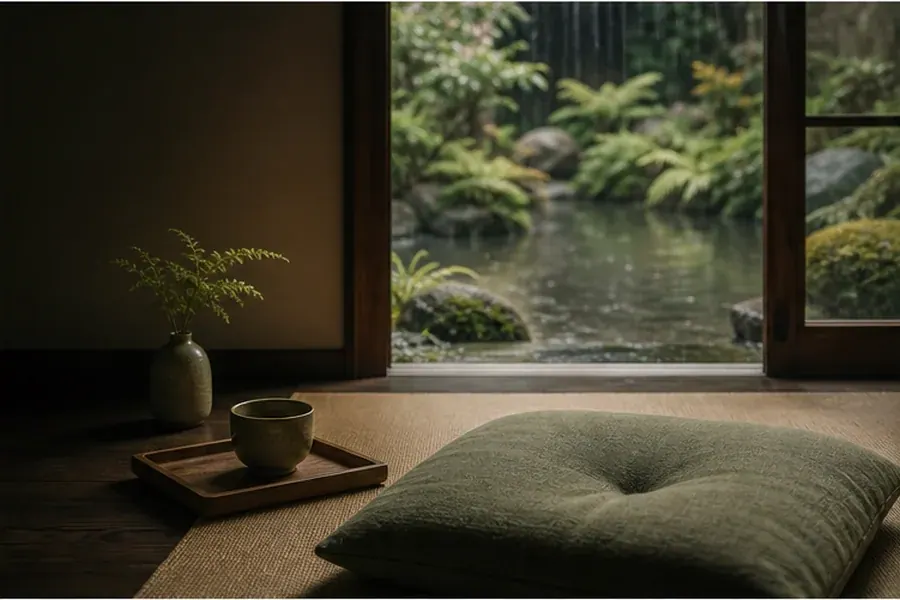
Understanding Stress
Acute vs. Chronic Stress
The Stress Cascade
When you perceive stress:
- 1. Amygdala detects threat
- 2. Hypothalamus activates HPA axis
- 3. Adrenal glands release cortisol
- 4. Body enters survival mode
- 5. Non-essential systems shut down (digestion, reproduction, immunity)
- 6. If chronic: cumulative damage
Effects of Chronic Cortisol
- Brain: hippocampus atrophy (memory), anxiety, depression
- Cardiovascular: high blood pressure, arterial inflammation
- Metabolic: insulin resistance, abdominal fat
- Immune: suppression, susceptibility to disease
- Digestive: irritable bowel, permeability
- Telomeres: accelerated shortening
Meditation and Mindfulness
What is Mindfulness?
Full attention to the present moment without judgment. It's not about stopping thoughts, but changing your relationship with them.
Benefits
- Reduces amygdala activity (fear center)
- Increases prefrontal cortex thickness
- Decreases cortisol by 25-30%
- Improves emotional regulation
- Increases telomerase (enzyme that protects telomeres)
Types of Meditation
- Breath Awareness · Focus on breathing. Return when mind wanders. · Beginners, calming mind · 5-20 minutes
- Body Scan · Systematic attention to each body part. · Relaxation, mind-body connection · 10-30 minutes
- Loving-Kindness (Metta) Meditation · Cultivate compassion toward self and others. · Difficult emotions, self-criticism · 10-20 minutes
- Transcendental Meditation · Use of mantra to transcend thought. · Deep stress, anxiety · 20 minutes, 2x/day
- Mindfulness in Movement · Present-moment awareness during activity (walking, yoga, tai chi). · People who can't sit still · Variable
How to Start
- Start with 5 minutes daily - consistency > duration
- Same place and time each day
- Comfortable but alert posture
- Use guided apps at first (Headspace, Calm, Waking Up)
- Don't judge your practice - no 'good' or 'bad' meditation
- Mind will wander - it's normal, just return to breath
- Add 1-2 minutes each week up to 20 minutes
Breathing Techniques
Diaphragmatic Breathing
Deep breathing using diaphragm, not chest.
How to do it
- Hand on abdomen, other on chest
- Inhale through nose, expand abdomen (not chest)
- Exhale slowly through mouth
- Chest stays relatively still
Effect: Activates parasympathetic nervous system (relaxation)
When: Base of all techniques, practice constantly
4-7-8 (Dr. Andrew Weil)
Powerful natural tranquilizer.
How to do it
- Exhale completely through mouth
- Inhale through nose counting 4
- Hold breath counting 7
- Exhale through mouth counting 8
- Repeat 4 cycles
Effect: Reduces anxiety quickly, induces sleep
When: Before bed, moments of anxiety
Box Breathing (Navy SEALs)
Used by special forces to maintain calm.
How to do it
- Inhale counting 4
- Hold counting 4
- Exhale counting 4
- Pause counting 4
- Repeat 5-10 min
Effect: Calms nervous system, improves focus
When: High stress situations, before presentations
Alternate Nostril (Nadi Shodhana)
Yoga technique that balances brain hemispheres.
How to do it
- Close right nostril with thumb
- Inhale through left nostril
- Close both, pause
- Open right, exhale
- Inhale through right
- Close, pause, open left, exhale
- Continue 5-10 min
Effect: Balances nervous system, mental clarity
When: Meditation, when feeling imbalanced
Wim Hof Breathing
Controlled hyperventilation followed by retention.
How to do it
- 30-40 rapid deep breaths
- Exhale and hold without air as long as possible
- Deep inhale and hold 15 seconds
- Repeat 3-4 rounds
Effect: Energizes, improves immune system, hormesis
When: In morning (not before bed)
Caution: DO NOT do in water or while driving
Anti-Stress Lifestyle
Nature
What science says: 20 minutes in nature significantly reduce cortisol. Tree phytoncides improve immunity.
Practices
- Walk in parks or forests (Shinrin-yoku)
- Gardening
- Sit under a tree
- Barefoot on grass (earthing)
Social Connection
What science says: Social isolation increases mortality as much as smoking 15 cigarettes/day.
Practices
- Quality time with loved ones
- Deep vs shallow conversations
- Community or group with common purpose
- Service and volunteering
Creative Expression
What science says: Creative activities reduce cortisol and increase dopamine.
Practices
- Art, painting, drawing
- Music (playing or listening)
- Writing, journaling
- Dance, expressive movement
- Creative cooking
Time Management
What science says: The feeling of lack of time is one of the greatest modern stressors.
Practices
- Prioritize - not everything is urgent
- Say 'no' without guilt
- Time blocking - dedicated time blocks
- Eliminate multitasking
- Buffers between activities
- One real rest day per week
Digital Detox
What science says: Constant social media use increases cortisol and anxiety.
Practices
- No phone first hour after waking
- Airplane mode during deep work
- No screens 1-2h before bed
- Notifications only for essentials
- One day without social media per week
Building Resilience
Hormesis - Good Stress
Controlled exposure to stressors improves adaptation.
Examples
- Exercise · Muscle stress → adaptation and growth
- Intermittent fasting · Metabolic stress → autophagy and efficiency
- Cold (showers, immersion) · Thermal stress → mitochondria, metabolism
- Heat (sauna) · Heat shock proteins → cellular protection
- Learning hard things · Cognitive stress → neuroplasticity
Cognitive Reframe
Changing stress interpretation changes its physiological effect.
- See challenges as growth opportunities
- Stress response = body energizing to act
- Gratitude - find 3 positive things daily
- Perspective - 'will it matter in 5 years?'
- Self-compassion - treat yourself as you'd treat a friend
Scientific Research
Telomeres and Meditation
Researchers: Elizabeth Blackburn (Nobel Prize) & Elissa Epel
Finding: Long-term meditators have 30% longer telomeres. 12 minutes daily meditation increases telomerase by 43%.
Mindfulness and Brain
Researchers: Sara Lazar, Harvard
Finding: 8 weeks of meditation increase gray matter in hippocampus (memory) and reduce in amygdala (fear/anxiety).
Stress and Inflammation
Researchers: Sheldon Cohen, Carnegie Mellon
Finding: Chronic stress increases IL-6 and CRP (inflammatory markers) predicting cardiovascular disease and mortality.
Nature and Cortisol
Researchers: Mary Carol Hunter, U. Michigan
Finding: 20-30 minutes in nature reduce cortisol by 21-28%. Maximum effect at 20-30 minutes.
Practical tips
- Daily meditation - even 5 minutes
- Deep breathing in tense moments
- 20+ minutes in nature regularly
- Journaling before bed - empty worries
- Regular exercise - powerful anti-stress
- Healthy boundaries with work and technology
- Cultivate meaningful relationships
- Laugh more - seek humor intentionally
- Pets - interaction reduces cortisol
- Relaxing music (60-80 bpm)
- Sauna or hot bath
- Massage or self-massage
Health notice. Educational and study content. It describes concepts of Traditional Chinese Medicine and does not replace diagnosis or treatment by a healthcare professional. Needling, medicinal herbs and invasive techniques must be applied by trained professionals. Safety guide.