Face and nose
Comparative study of facial and nasal maps as system history, not a way to infer organs or disease from appearance.
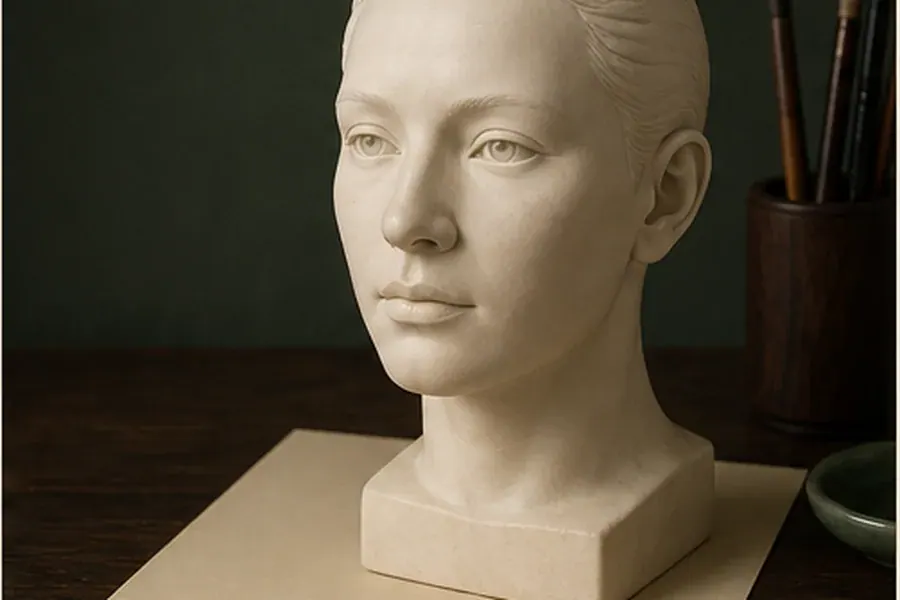
History
Facial inspection belongs to the traditional four methods, while modern facial microsystems add specific cartographies.
The map model
Some maps place correspondences on the forehead, nose, folds, and chin. Their boundaries and meanings are not universal.
Regions of the map
Upper area between brows and hairline.
Upper correspondences in several maps.
Do not confuse a facial map with scalp lines.
Supraorbital arches and central space.
Classical acupuncture and inspection landmarks.
Always protect the eye area.
Bridge, alae, and nasal tip.
Nasal maps with variable internal correspondences.
Nasal color does not confirm a pattern.
Malar and lateral facial area.
Lateral fields and classical points.
Consider diversity in pigmentation and anatomy.
Area between nose, lips, and mandibular border.
Lower correspondences by atlas.
Sudden neurological changes are an emergency.
What the evidence says
A photograph or facial color change cannot diagnose organs. Lighting, skin, medication, and human diversity alter appearance.
Safety
The face contains eyes, nerves, and important vessels. Any invasive technique requires professional training; sudden facial or visual changes need medical attention.
Health notice. Educational and study content. It describes concepts of Traditional Chinese Medicine and does not replace diagnosis or treatment by a healthcare professional. Needling, medicinal herbs and invasive techniques must be applied by trained professionals. Safety guide.