Má Huáng · Ephedra
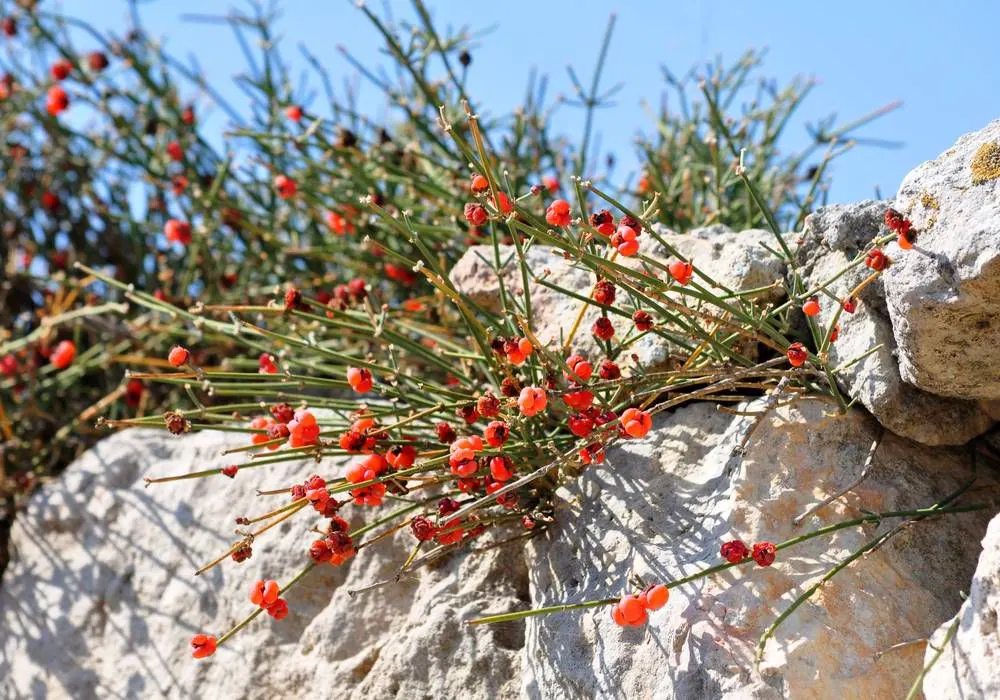
Má Huáng (麻黄, Ephedra) is a herb of Warm nature and Pungent, Bitter flavor, in the “Exterior-releasing herbs” category. Tradition uses it to release the outside and disperse the wind-cold, Diffuse Lung Qi and stop asthma, Promote diuresis and reduce edema.
Energetic profile
- Pinyin name
- Má Huáng
- Characters
- 麻黄
- Botanical name
- Ephedra sinica Stapf
- Family
- Ephedraceae
- Part used
- Stem
- Nature
- Warm
- Flavor
- Pungent, Bitter
- Meridians
- Lung, Bladder
- Category
- Exterior-releasing herbs
- Toxicity
- Slightly toxic
- Pregnancy
- Avoid
- Origin
- China, Mongolia
Actions according to tradition
- Release the outside and disperse the wind-cold
- Diffuse Lung Qi and stop asthma
- Promote diuresis and reduce edema
- Warm and disperse accumulated cold
Traditional uses
- Wind-cold exterior with absence of sweating
- Asthma and cough due to cold blocking the Lung
- Edema due to failure of Yang to transform fluids
- Painful Bi syndrome with cold
- Late or incomplete eruption
Studied effects and current applications
- Broncodilatador potente (efedrina y pseudoefedrina)
- Diaphoretic to relieve cold outside
- Central nervous system stimulant
- Descongestionante nasal
- Mild diuretic
Applications under investigation
- Acute bronchial asthma
- Bronquitis
- Nasal congestion
- Edema por insuficiencia renal
- Orthostatic hypotension (controlled use)
An effect being investigated does not mean it has been proven in humans.
Contraindications and adverse effects
Absolute contraindications
- High blood pressure
- Cardiopathies (arrhythmias, heart failure, angina)
- Diabetes mellitus (worsens glycemic control)
- Anxiety and panic disorders
- Hipertiroidismo
- Glaucoma
- Insomnio severo
- MAOI therapy (life-threatening hypertensive crisis)
Relative contraindications
- Pregnancy
- Breastfeeding
- Children under 12 years old
- Simultaneous use of stimulants
- Pregnancy
- CONTRAINDICATED in pregnancy. Cardiac stimulant that can affect the fetus.
- Breastfeeding
- Ephedrine passes into breast milk. Avoid absolutely.
- Children
- Avoid in children under 12 years of age. In adolescents, only under medical supervision.
- Older adults
- High risk in the elderly due to frequent heart disease and hypertension. Avoid except in very specific cases.
Possible adverse effects
- Tachycardia and palpitations
- Hypertension
- Insomnio
- Nervousness and anxiety
- Excessive sweating
- Sequedad de boca
- urinary retention
When to stop
- Taquicardia > 100 lpm
- High hypertension
- Insomnio severo
- Palpitations
- Severe anxiety
Interactions with medications
| Group | Drugs | Severity | Effect and recommendation |
|---|---|---|---|
| MAO inhibitors (MAOIs) | Fenelzina, Tranilcipromina, Selegilina | Severe | POTENTIALLY LETHAL HYPERTENSIVE CRISIS - Ephedrine + MAOIs can cause severe hypertension, brain hemorrhage and death ABSOLUTE CONTRAINDICATION. Avoid completely. |
| CNS stimulants | Metilfenidato, Anfetaminas, Caffeine in large doses | Severe | Severe additive stimulant effect - tachycardia, hypertension, arrhythmias Avoid completely. |
| Digital | Digoxin | Severe | Increased risk of arrhythmias due to effect on heart rhythm Avoid completely. |
| Tricyclic antidepressants | Amitriptilina, Imipramina | Severe | Risk of arrhythmias and hypertensive crisis Avoid completely. |
| Antihypertensives | Beta-blockers, Calcioantagonistas, IECA | Moderate | Ma Huang can counteract antihypertensive effects Avoid combination. |
| Hypoglycemic agents | Insulin, Metformin | Moderate | Ephedrine can raise blood sugar Monitorizar glucemia de cerca. |
With other herbs
- gui_zhi Classic combination (Má Huáng Tāng) for severe cold outdoors; increases diaphoresis
Reference dose
- Decoction
- 1.5-9 g daily
- Powder
- 1-2 g daily
- Acute use
- 3-7 days
- Chronic use
- Not recommended for chronic use
- Maximum
- Maximum 2 continuous weeks
- Children
- Avoid in children under 12 years of age. Pediatric dose reduced to maximum 1-3g only under specialized supervision.
Forms of preparation
Boil 1.5-9g in 4 cups of water for 30-40 min. Skim off the initial foam. Drink warm.
Cold exterior without sweating, cold asthma
Ma Huang with honey (蜜炙麻黄) has less diaphoretic effect. Use 3-9g. Better for asthma.
Asthma and cough without the need to induce sweating
Approximate doses from the literature; they are not a prescription. Consult a professional.
Active compounds
Sympathomimetic alkaloids (ephedrine, pseudoephedrine) and flavonoids
Phenylpropylamine alkaloids · Bronchodilator, decongestant, CNS stimulant
Indirect agonism of α and β-adrenergic receptors, norepinephrine release · 0.5-2.5% in dried stems
Sympathomimetic alkaloids · Bronchodilator, stimulant
Adrenergic agonism, monoamine reuptake inhibition · 0.1-0.5%
alkaloid mixture · Diaphoretic, bronchodilator, diuretic
Sympathetic stimulation, increased cardiac output and glomerular filtration · 1-3% total
Flavonoids · Anti-inflammatory, antiviral
NF-κB inhibition, antiviral activity against influenza · Traces
Harvesting and processing
- Harvest
- Autumn (September-October), when the stems are mature
Green stems collected in autumn, dried in the sun. Only the stem (茎) is used; the roots (麻黄根 Má Huáng Gēn) have opposite action (astringent). Strict regulation in many countries.
Stems cut into 2-3 cm segments and dried. Roots and leaves are removed.
Stems mixed with diluted honey and fried over medium heat.
Health notice. Educational and study content. It describes concepts of Traditional Chinese Medicine and does not replace diagnosis or treatment by a healthcare professional. Needling, medicinal herbs and invasive techniques must be applied by trained professionals. Safety guide.