Lóng Gǔ · Dragon Bone
Lóng Gǔ (龙骨, Dragon Bone) is a herb of Neutral nature and Sweet, Astringent flavor, in the “Spirit-calming herbs” category. Tradition uses it to anchor the Yang and calm the spirit, Restrict and stop losses, Reduce sweat and promote healing (external use).
Energetic profile
- Pinyin name
- Lóng Gǔ
- Characters
- 龙骨
- Botanical name
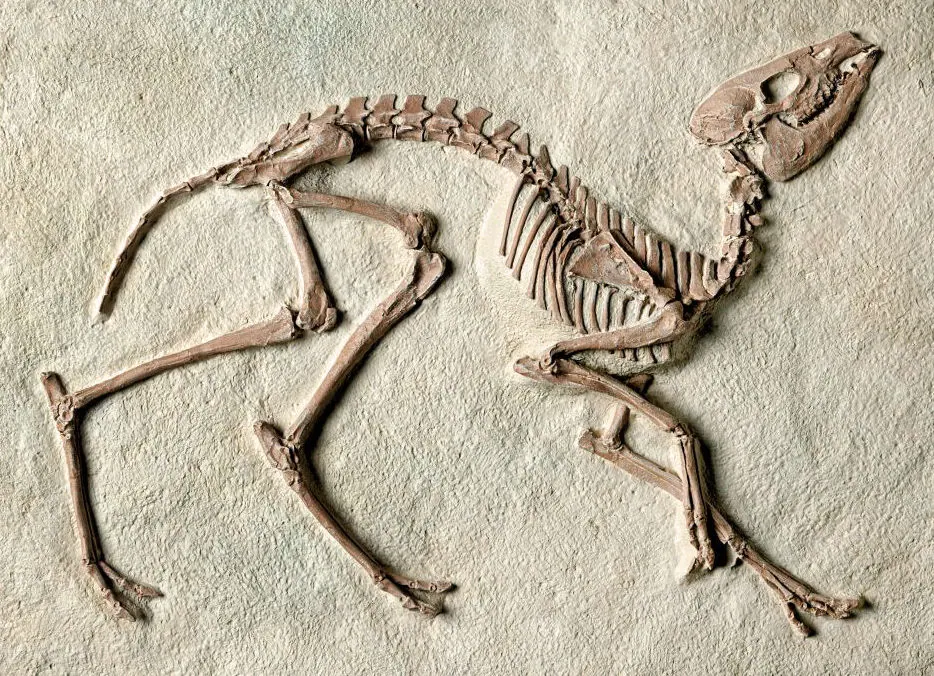
- Os Draconis (fossil mammal bones)
- Family
- Mineral/Fossil
- Part used
- Fossilized bone
- Nature
- Neutral
- Flavor
- Sweet, Astringent
- Meridians
- Heart, Liver, Kidney
- Category
- Spirit-calming herbs
- Toxicity
- Non-toxic
- Pregnancy
- No contraindication described (always consult)
- Origin
- China (Shanxi), China (Inner Mongolia)
Actions according to tradition
- Anchor the Yang and calm the spirit
- Restrict and stop losses
- Reduce sweat and promote healing (external use)
Traditional uses
- Ascending Liver Yang with headache, vertigo and irritability
- Severe insomnia with palpitations and agitation
- Epilepsy and seizures (formulas with other sedatives)
- Espermatorrea, leucorrea excesiva y enuresis (forma calcinada)
- Spontaneous and night sweating due to deficiency
Studied effects and current applications
- Anchors ascending Liver Yang (hypertension, vertigo, irritability)
- Calms the spirit in insomnia, palpitations and anxiety
- Astringent calcined form: stops spermatorrhea, leucorrhoea and sweating
- Forma cruda: principalmente calmante y ancla el Yang
- Rich in calcium and minerals: bone support
Applications under investigation
- Hypertension with ascending Yang symptoms
- Severe anxiety and insomnia
- Epilepsia (adjunto)
- attention deficit syndrome
- Soporte en menopausia
An effect being investigated does not mean it has been proven in humans.
Contraindications and adverse effects
Absolute contraindications
- Dampness-heat active without ascending Yang
Relative contraindications
- Active heat-damp diarrhea
- External cold without internal ascending Yang
- Pregnancy
- Generally safe during pregnancy.
- Breastfeeding
- Safe during breastfeeding.
- Children
- Safe for children with agitation, insomnia and seizures.
- Older adults
- Excellent for elderly people with hypertension, anxiety and insomnia.
Possible adverse effects
- Rarely: constipation at high doses in cold constitutions
When to stop
- severe constipation
- Active damp-heat worsens
Interactions with medications
| Group | Drugs | Severity | Effect and recommendation |
|---|---|---|---|
| Fluoroquinolones and tetracyclines | Ciprofloxacino, Tetraciclina | Mild | Long Gu calcium can chelate antibiotics, reducing their absorption Separate by at least 2-3 hours. |
| Sedatives and hypnotics | Benzodiazepinas, Barbiturates | Mild | Possible additive sedative/calming effect Monitor sedation level. |
With other herbs
- mu_li Classic combination to anchor Yang, calm the spirit and treat insomnia/hypertension
Reference dose
- Decoction
- 9-30 g daily (pre-decocted)
- Powder
- 3-9 g daily
- Acute use
- 2-4 weeks
- Chronic use
- 1-3 months
- Maximum
- Long-term use generally safe
- Children
- Safe for children with agitation and insomnia.
Forms of preparation
Mandatory pre-decoction (先煎): boil 9-30g for 30-60 min before adding other herbs. The raw form anchors Yang.
Yang ascending, insomnia, anxiety, epilepsy
The calcined form (煅龙骨) is astringent. Pre-decoct for 20-30 min.
Spermatorrhea, leukorrhea, excessive sweating, external scarring
Approximate doses from the literature; they are not a prescription. Consult a professional.
Active compounds
Calcium carbonate (CaCO₃) and phosphates, with traces of mineralized collagen
inorganic mineral · Sedative, astringent, antacid
Gastric acid neutralization, neurotransmission modulation by calcium · 80-95% dry weight
inorganic mineral · Mineral contribution, sedative
Calcium-phosphorus homeostasis regulation · 3-10%
Phosphorylated proteins · Mild sedative, nutritious
Modulation of NMDA (endogenous glycine) receptors · Traces (<1%)
Trace minerals · Structural, trace mineral
No significant direct pharmacological action · Traces
Harvesting and processing
- Harvest
- All year round (fossil material)
Fossil bones of prehistoric mammals (mainly Equus and other ungulates). They are cleaned, crushed and sifted. Authenticity is verified by visible bone structure.
Fossil bone crushed into fragments or coarse powder. It is decocted 20-30 minutes before other herbs.
Bone fried over high heat in an airtight container until it becomes whiter and friable.
Health notice. Educational and study content. It describes concepts of Traditional Chinese Medicine and does not replace diagnosis or treatment by a healthcare professional. Needling, medicinal herbs and invasive techniques must be applied by trained professionals. Safety guide.