Mǔ Lì · Oyster Shell
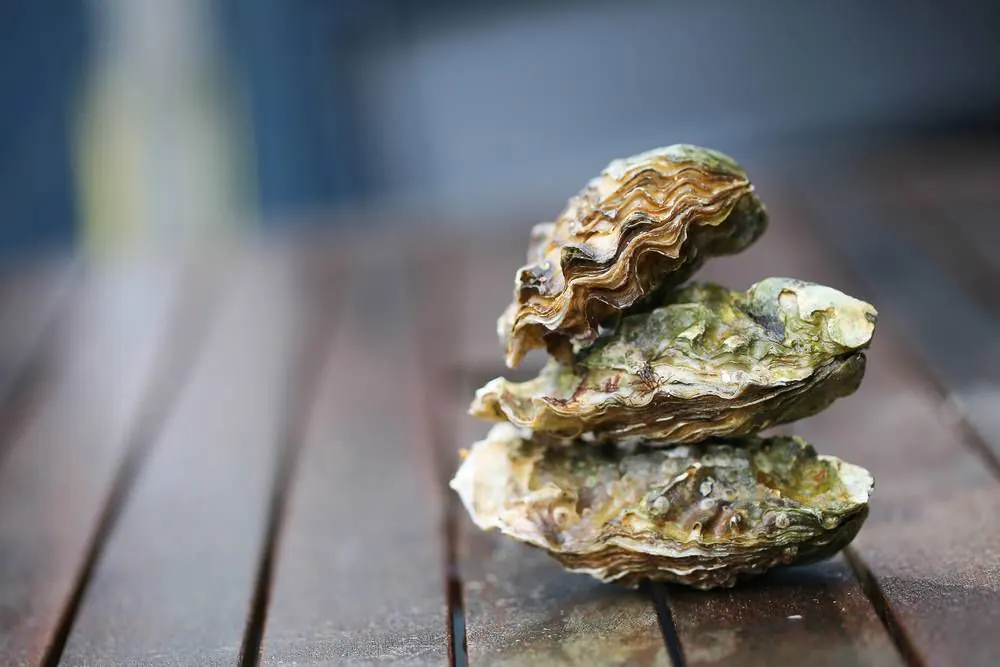
Mǔ Lì (牡蛎, Oyster Shell) is a herb of Cool nature and Salty, Astringent flavor, in the “Spirit-calming herbs” category. Tradition uses it to anchor the Yang and calm the spirit, Suavizar las durezas y disolver las masas, Restrict and stop losses.
Energetic profile
- Pinyin name
- Mǔ Lì
- Characters
- 牡蛎
- Botanical name
- Ostrea gigas Thunberg
- Family
- Ostreidae
- Part used
- Shell
- Nature
- Cool
- Flavor
- Salty, Astringent
- Meridians
- Liver, Kidney
- Category
- Spirit-calming herbs
- Toxicity
- Non-toxic
- Pregnancy
- No contraindication described (always consult)
- Origin
- China, Japan, Korea
Actions according to tradition
- Anchor the Yang and calm the spirit
- Suavizar las durezas y disolver las masas
- Restrict and stop losses
Traditional uses
- Ascending Liver Yang with vertigo, headache and irritability
- Insomnia and palpitations due to agitated Heart Qi
- Nodules, masses of phlegm, scrofula (crude form)
- Night sweats, spermatorrhea, leucorrhoea (calcined form)
- Chronic low fever due to Yin deficiency
Studied effects and current applications
- Anchors the ascending Yang of the Liver (hypertension, dizziness)
- Calms the spirit and relieves insomnia and anxiety
- Dissolves masses and nodules of phlegm (crude form)
- Astringent calcined form: stops sweating, spermatorrhea, leucorrhoea
- Rico en calcio: apoya huesos y dientes
Applications under investigation
- Hypertension with ascending Yang
- Anxiety and insomnia
- Thyroid nodules and lymphadenopathy
- Hypercalcemia and bone support
- Night sweats in menopause
An effect being investigated does not mean it has been proven in humans.
Contraindications and adverse effects
Absolute contraindications
- None known of clinical significance
Relative contraindications
- Spleen deficiency with constipation
- Cold-damp without ascending Yang
- Pregnancy
- Generally safe during pregnancy.
- Breastfeeding
- Safe during breastfeeding.
- Children
- Safe for children with agitation and insomnia.
- Older adults
- Excellent for elderly people with hypertension, anxiety and insomnia.
Possible adverse effects
- Rarely: constipation at high doses in cold constitutions
- gastric upset
When to stop
- severe constipation
- Signs of cold worsen
Interactions with medications
| Group | Drugs | Severity | Effect and recommendation |
|---|---|---|---|
| Antacids (calcium carbonate) | calcium carbonate, aluminum hydroxide | Mild | Additive antacid effect - excess calcium carbonate Separate by at least 2 hours. |
| Fluoroquinolones and tetracyclines | Ciprofloxacino, Tetraciclina | Mild | Mu Li calcium can chelate antibiotics, reducing their absorption Separate by at least 2-3 hours. |
With other herbs
- long_gu Classic combination to anchor the Yang and calm the spirit
Reference dose
- Decoction
- 9-30 g daily (pre-decocted)
- Powder
- 3-9 g daily
- Acute use
- 2-4 weeks
- Chronic use
- 1-3 months
- Maximum
- Chronic use generally safe
- Children
- Safe for children with agitation and insomnia with adjusted dosage.
Forms of preparation
Pre-decoct (先煎): boil 9-30g for 30-60 min before adding other herbs. The raw form anchors Yang.
Ascending Liver Yang, insomnia, anxiety
The calcined form (煅牡蛎) is astringent. Pre-decoct for 20-30 min.
Spermatorrhea, leucorrhoea, excessive sweating
Approximate doses from the literature; they are not a prescription. Consult a professional.
Active compounds
Calcium carbonate (CaCO₃), taurine and trace elements (zinc, iron)
inorganic mineral · Sedative, astringent, antacid
Gastric acid neutralization, neurotransmission modulation · 85-95% of the shell pulverized
Sulfonated amino acid · Neuroprotective, sedative, cardioprotective
GABA and glutamate modulation, membrane stabilization · 0.5-2.0%
Trace elements · Enzymatic cofactors, mild sedative
Zinc-dependent neurotransmission modulation · Zinc: 50-200 ppm
Proteins and polysaccharides · Structural, nutritional trace
No significant direct pharmacological action · 2-8%
Harvesting and processing
- Harvest
- all year round
Shells of Ostrea gigas, O. rivularis or other oyster species. They are washed, adhered organic matter is removed and dried.
Shell crushed into fragments or coarse powder.
Shell calcined over high heat until it becomes white and friable.
Health notice. Educational and study content. It describes concepts of Traditional Chinese Medicine and does not replace diagnosis or treatment by a healthcare professional. Needling, medicinal herbs and invasive techniques must be applied by trained professionals. Safety guide.