Houding (GV19)
Houding (GV19), “Posterior Vertex”, is a point on the Du Mai (Governing Vessel). It is point 19 of the 28 on the channel. Clears the head, extinguishes Wind and calms the Shen.
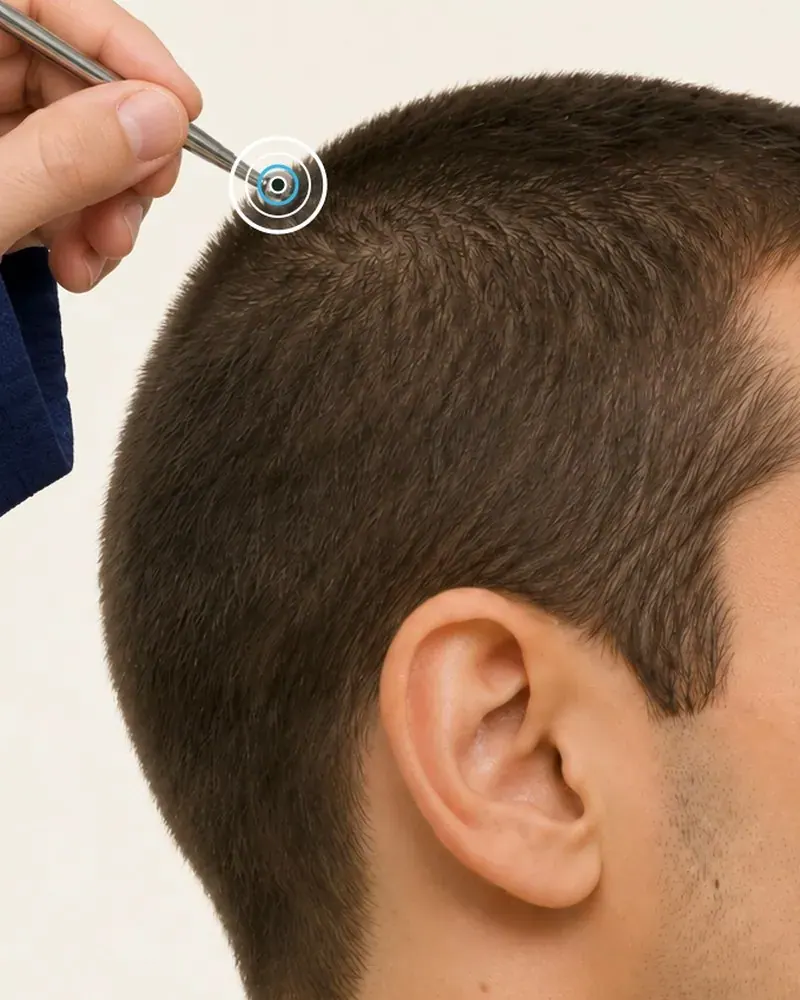
Location
On the head, 5.5 cun above the posterior hairline, on the median line.
According to the WHO (2008): On the head, 5.5 B-cun superior to the posterior hairline, on the posterior median line. Note: 1.5 B-cun posterior to GV20.
How to find it, step by step
Three steps with photos, from an easy landmark to the exact point. Measurements are in cun, the width of the person's own thumb.
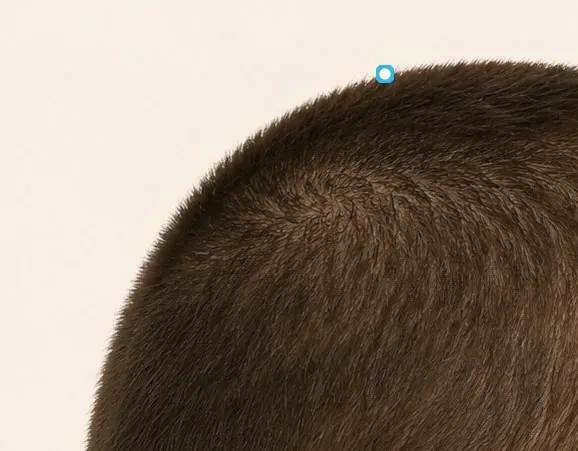 GV201
Find GV20
At the top of the head, on the midline, on the vertical line of the tips of the ears.
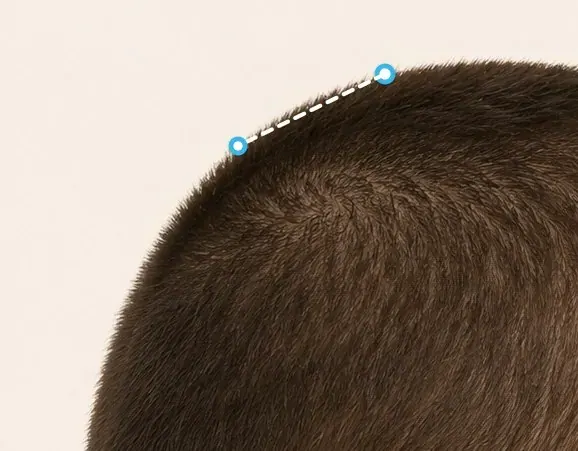 2
Go 1.5 cun back
Along the midline, 1.5 cun (two finger-widths) toward the back of the neck: Hòudǐng.
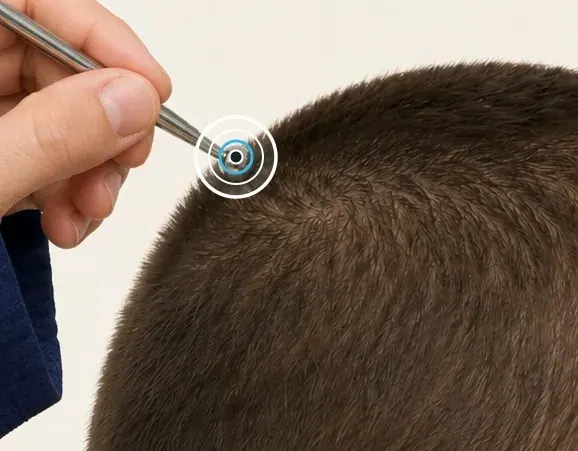 3
Press on the midline
Transverse, shallow.
Functions according to tradition
Clears the head, extinguishes Wind and calms the Shen.
Traditional indications
- Headache
- Dizziness
- Epilepsy
- Insomnia
- Neck stiffness
Indications described by tradition; they do not amount to proven clinical effectiveness for each one.
Precautions
- Needling depth
- 0.5–0.8 cun
- Angle
- Transverse
Needling must always be done by a trained professional. At home, only gentle finger pressure.
Points on other channels with similar indications
They share several traditional indications with this point. Comparing them helps understand why one or the other is chosen.
- GB13 Benshen (Gallbladder): Dizziness, Epilepsy, Headache, Insomnia
- BL5 Wuchu (Bladder): Dizziness, Epilepsy, Headache
- BL64 Jinggu (Bladder): Epilepsy, Headache, Neck stiffness
- BL66 Zutonggu (Bladder): Dizziness, Headache, Neck stiffness
- GB19 Naokong (Gallbladder): Dizziness, Epilepsy, Neck stiffness
- BL3 Meichong (Bladder): Dizziness, Epilepsy, Headache
Point profile
- Code
- GV19
- Pinyin name
- Hòu Dǐng
- Characters
- 后顶
- Translation
- Posterior Vertex
- Meridian
- Du Mai (Governing Vessel)
- Topics
- Head & Neck, Mental, Epilepsy
Health notice. Educational and study content. It describes concepts of Traditional Chinese Medicine and does not replace diagnosis or treatment by a healthcare professional. Needling, medicinal herbs and invasive techniques must be applied by trained professionals. Safety guide.
