Qiangjian (GV18)
Qiangjian (GV18), “Unyielding Space”, is a point on the Du Mai (Governing Vessel). It is point 18 of the 28 on the channel. Clears the head, calms the Shen and eases neck stiffness.
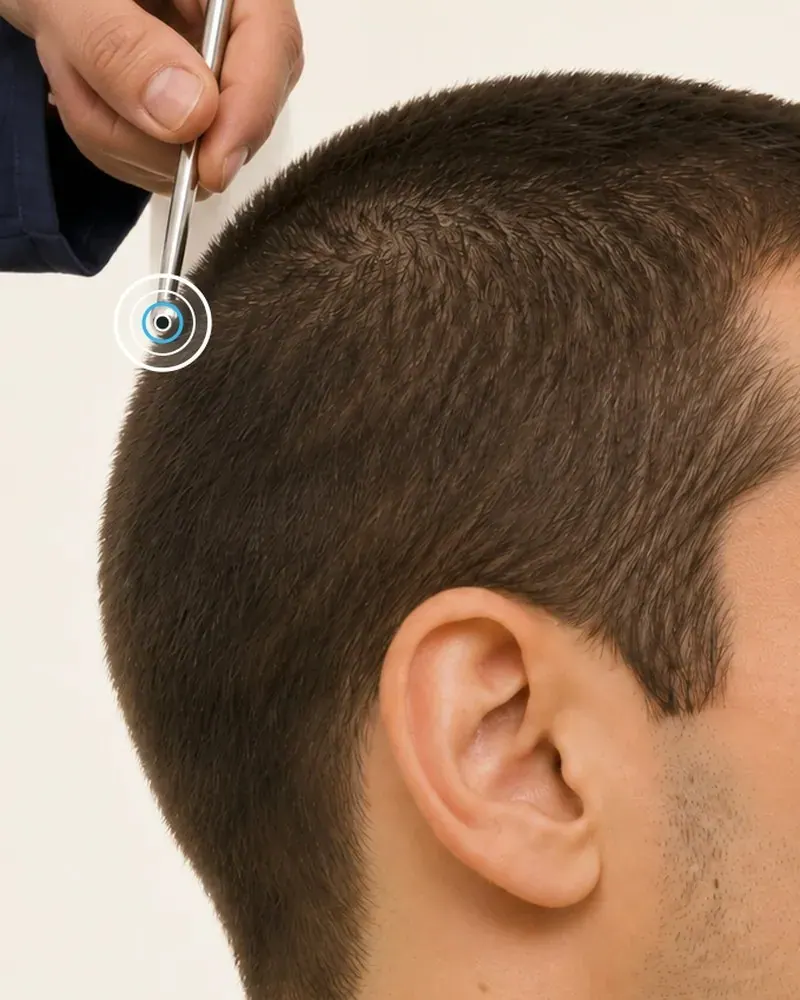
Location
On the head, 4 cun above the posterior hairline, on the median line.
According to the WHO (2008): On the head, 4 B-cun superior to the posterior hairline, on the posterior median line. Note: in the depression 1.5 B-cun superior to GV17.
How to find it, step by step
Three steps with photos, from an easy landmark to the exact point. Measurements are in cun, the width of the person's own thumb.
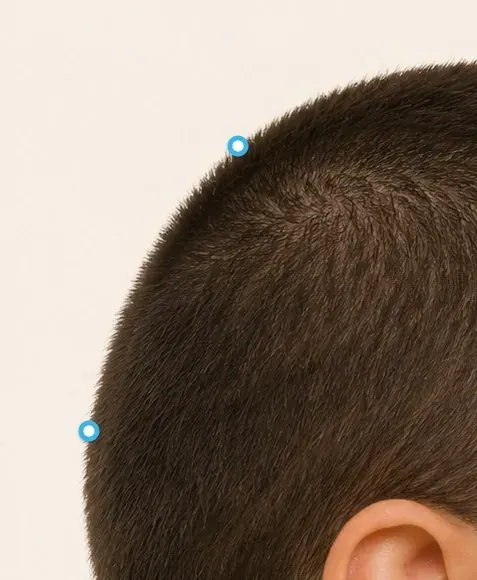 GV19Occipital (GV17)1
Find GV17 or GV19
GV17 is just above the occipital bump; GV19 is 1.5 cun behind the crown point (GV20).
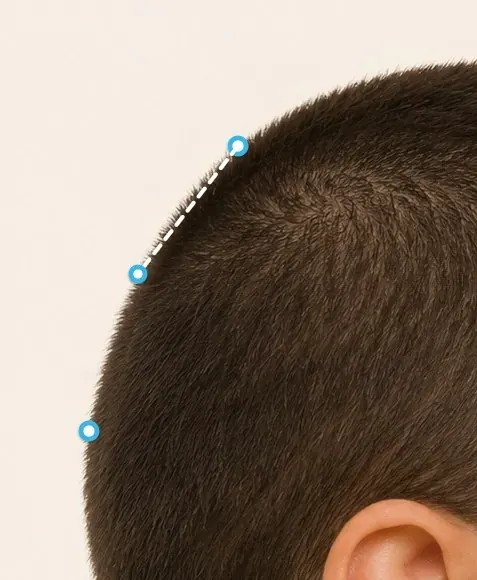 2
Take the midpoint
Qiángjiān is halfway between the two, 1.5 cun from each, on the midline.
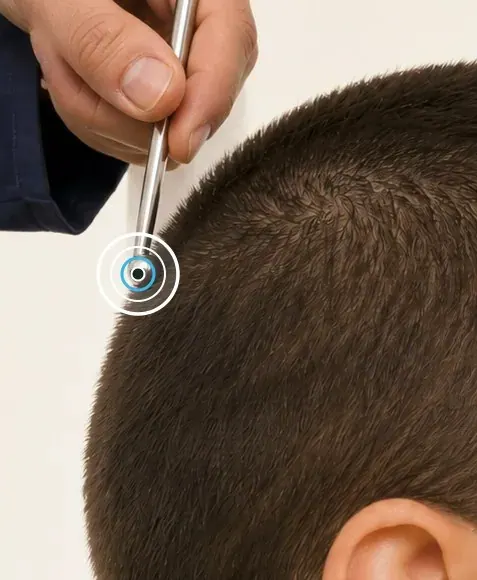 3
Press in the depression
Transverse, shallow.
Functions according to tradition
Clears the head, calms the Shen and eases neck stiffness.
Traditional indications
- Headache
- Insomnia
- Neck stiffness
- Dizziness
- Mania
Indications described by tradition; they do not amount to proven clinical effectiveness for each one.
Precautions
- Needling depth
- 0.5–0.8 cun
- Angle
- Transverse
Needling must always be done by a trained professional. At home, only gentle finger pressure.
Points on other channels with similar indications
They share several traditional indications with this point. Comparing them helps understand why one or the other is chosen.
- BL66 Zutonggu (Bladder): Dizziness, Headache, Mania, Neck stiffness
- GB12 Wangu (Gallbladder): Headache, Insomnia, Neck stiffness
- TE12 Xiaoluo (San Jiao (Triple Burner)): Dizziness, Headache, Neck stiffness
- GB13 Benshen (Gallbladder): Dizziness, Headache, Insomnia
- BL65 Shugu (Bladder): Dizziness, Neck stiffness
- GB10 Fubai (Gallbladder): Headache, Neck stiffness
Point profile
- Code
- GV18
- Pinyin name
- Qiáng Jiān
- Characters
- 强间
- Translation
- Unyielding Space
- Meridian
- Du Mai (Governing Vessel)
- Topics
- Head & Neck, Insomnia, Neck
Health notice. Educational and study content. It describes concepts of Traditional Chinese Medicine and does not replace diagnosis or treatment by a healthcare professional. Needling, medicinal herbs and invasive techniques must be applied by trained professionals. Safety guide.