Cervical & Shoulder Protocol
Relieve neck and shoulder tension using Gallbladder and Bladder points
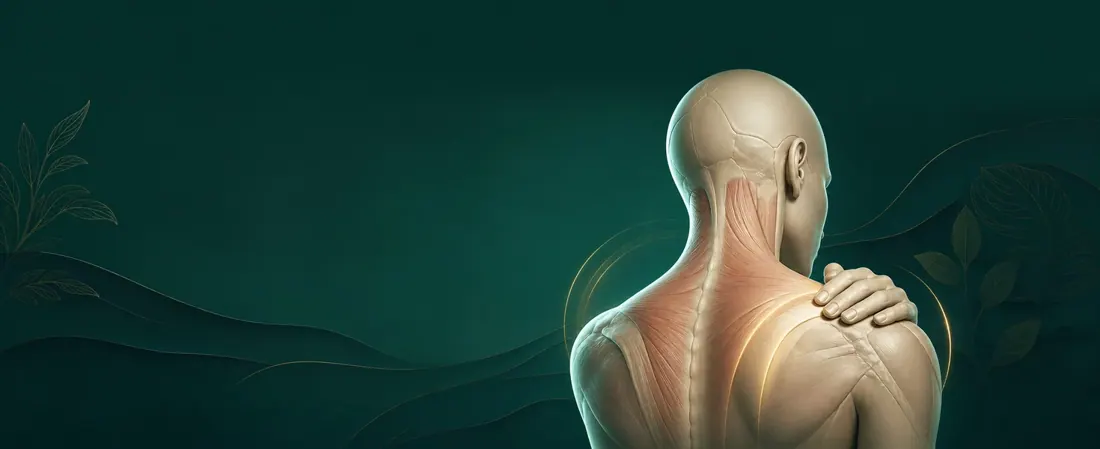
Cervical & Shoulder Relief
Combines Fengchi (GB-20), Jianjing (GB-21) and Waiguan (TE-5) to release cervical tension, expel Wind and relax tendons. In TCM, stiffness in neck and shoulders reflects invasion of Wind-Cold or stagnation of Qi and Blood from chronic posture and stress.
Benefits attributed to it
- Relieves cervical stiffness
- Reduces tension in trapezius and shoulders
- Releases muscular contractures
- Improves cervical mobility
- Treats cervicogenic headaches
- Reduces stress-related tension
Neck and Shoulders in TCM
The neck is the pathway through which Yang meridians travel to the head. Wind-Cold can block these channels causing stiffness and pain. The Liver governs tendons and stress stagnates Qi, causing chronic contractures in the trapezius muscles.
Wind Pool. The great point for expelling external Wind from the head and neck.
Shoulder Well. Relaxes the trapezius, descends Qi, relieves neck and shoulder pain.
Outer Pass. Releases the exterior, treats lateral neck pain.
Step by step
Fengchi (GB-20) Bilateral
GB-20 is the most important point for cervical stiffness and neck pain. Located in the nape, in the hollows on both sides of the spine, just below the skull.
- Duration
- 2 minutes
- Tilt the head slightly forward
- Apply both thumbs at the same time
- Maintain 30-60 seconds of sustained pressure
Jianjing (GB-21) Bilateral
GB-21 at the highest point of the shoulder is where stress tension accumulates. Pinching or pressing this area releases the trapezius and descends excessive Yang.
- Duration
- 2 minutes
- Use thumb and index to pinch the trapezius
- Do not press the subclavian artery
- Repeat on both sides simultaneously if possible
Waiguan (TE-5) + Descending Cervical Massage
TE-5 releases the exterior and treats lateral pain. Complement with descending cervical massage to distribute released Qi.
- Duration
- 2 minutes
- Combine TE-5 with gentle neck movement
- Massage with thumbs from base of skull to shoulders
After the Protocol
- Gentle neck rotations to assess improvement
- Apply local heat for 10 minutes
- Avoid cold drafts on the neck
- Review posture ergonomics
Contraindications
- GB-21 contraindicated during pregnancy
- Do not apply with recent wounds in the area
- Avoid pressure in severe acute inflammation
Health notice. Educational and study content. It describes concepts of Traditional Chinese Medicine and does not replace diagnosis or treatment by a healthcare professional. Needling, medicinal herbs and invasive techniques must be applied by trained professionals. Safety guide.