Stress and Anxiety Relief
Calm the mind and balance the Shen with Heart and Pericardium points
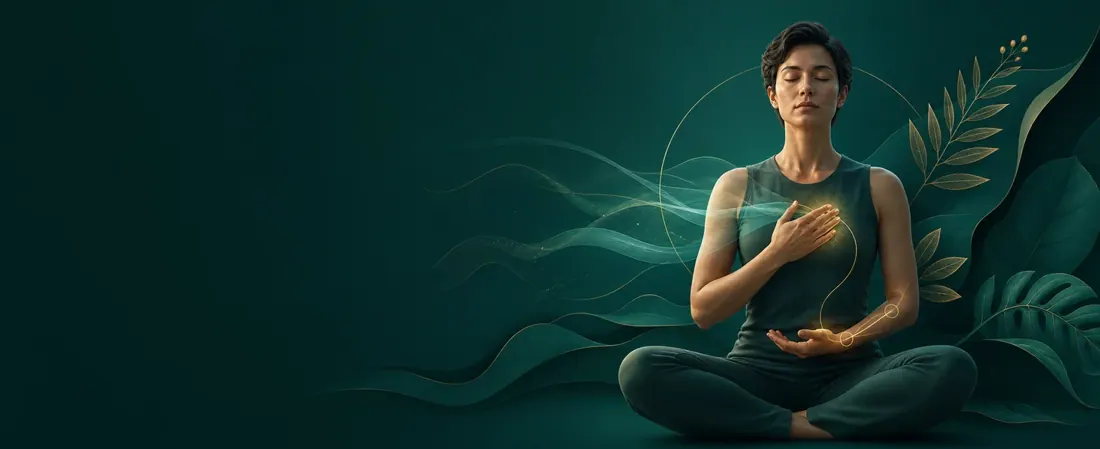
Anti-Stress Protocol
This technique combines Shenmen (HT-7), Neiguan (PC-6) and Yintang (Extra) to calm the Shen (spirit) and release emotional tension. In TCM, stress stagnates Liver Qi and affects the Heart which houses the Shen.
Benefits attributed to it
- Reduces anxiety and nervousness
- Calms the mind and improves clarity
- Releases accumulated emotional tension
- Harmonizes Heart and Liver
- Improves sleep quality
Shen and Stress in TCM
The Heart houses the Shen (spirit). Stress and anxiety can 'disturb the Shen' causing insomnia, palpitations and obsessive thoughts. Heart and Pericardium meridian points calm the Shen and regulate emotions.
The spirit residing in the Heart. When calm, there is mental clarity and emotional balance.
Shu-Yuan point of the Heart. 'Spirit Gate' - calms Shen, nourishes Heart, treats insomnia and anxiety.
Luo point of Pericardium. Connects Heart with stomach. Calms Shen, opens chest, regulates Qi.
Step by step
Yintang Point (印堂 - Between Eyebrows)
Yintang is at the glabella, a convergence point for calm in Oriental medicine.
- Duration
- 2 minutes
- Close eyes during application
- Use both hands alternating or simultaneous
- Visualize calming violet light
Shenmen Point (神门 - HT-7)
HT-7 calms the Shen directly. The Heart Shu point on the meridian.
- Duration
- 1 minute per wrist
- Alternate between both wrists
- Slow deep breathing
- Hold 60-90 seconds per side
Neiguan Point (内关 - PC-6)
PC-6 connects Pericardium (protecting Heart) with Stomach. Calms Shen and regulates rebellious Qi.
- Duration
- 1 minute per arm
- Useful for anxiety with chest oppression
- Combine with diaphragmatic breathing
- Repeat on both arms
Post-Practice Integration
- Stay in silence 2-3 minutes
- Drink room temperature water
- Avoid strong stimuli immediately
- Observe emotional state
Contraindications
- Avoid strong pressure on Yintang with migraine
- Consult in advanced pregnancy for PC-6
Health notice. Educational and study content. It describes concepts of Traditional Chinese Medicine and does not replace diagnosis or treatment by a healthcare professional. Needling, medicinal herbs and invasive techniques must be applied by trained professionals. Safety guide.