Chinese dietetics: Season and rhythm
When you eat, not only what. 5 activities, about 11 minutes.
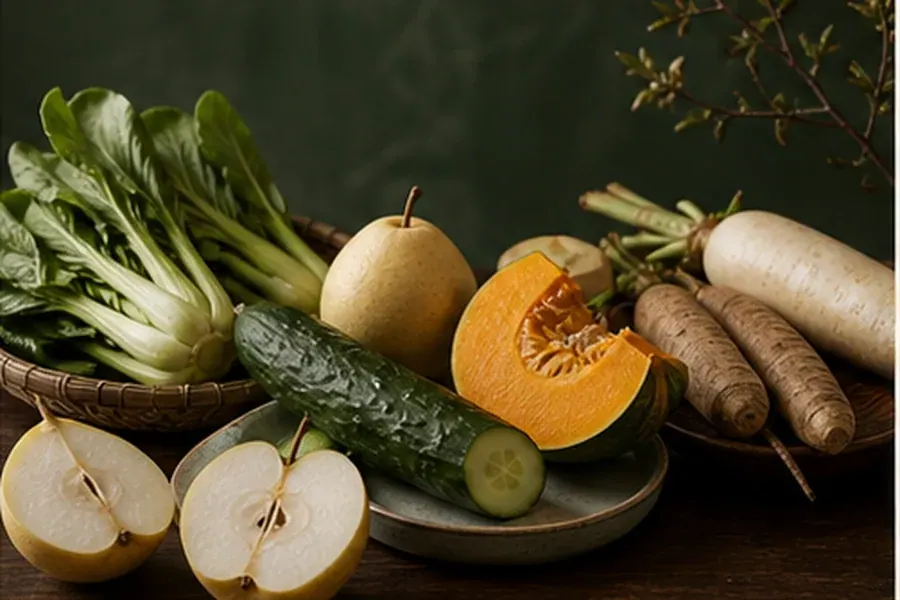
Five moments, five emphases
Tradition does not assign foods to seasons: it describes an emphasis. What changes over the year is mainly the method and the proportion, not the shopping list.
- Spring
- Transition and lightness; fewer heavy dishes
- Summer
- More cooling and more water, with hygiene and tolerance
- Late summer
- The center and dampness: grains, roots, moderate cooking
- Autumn
- Dryness: wet methods and seasonal fruit
- Winter
- Long cooking and stews in many repertoires
Common mistake: Turning the emphasis into a compulsory calendar. Watermelon is not banned in January, nor stew in August.
Each moment of the year with its emphasis
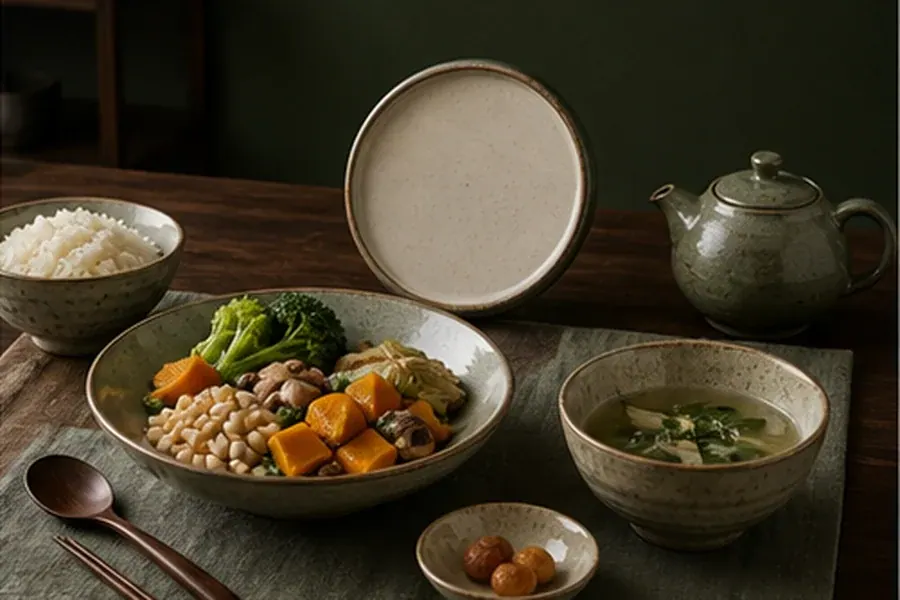
Rhythm is dietetics too
A predictable schedule helps with organization, and eating unhurried lets fullness register. Both adapt to each person's work, medication and exercise: they are aids, not moral rules.
- Predictable schedule
- Makes organizing easier, adapts to real life
- Eating unhurried
- Lets fullness and enjoyment be noticed
- Keeping a record
- For learning, not for self-policing
Common mistake: Moralizing food. Turning “it is suggested” into “you must” is the fastest way to make someone stop telling the truth about what they eat.
In mid-August, someone very thirsty and hot asks whether they can have watermelon. What do you answer?
Someone has logged every meal for two weeks and has already marked nine foods as “bad”. What do you correct?

Level complete!
Block finished. Let it rest, and tomorrow it will taste better.
Did you enjoy it? In the app you save your progress, review what you forget and unlock the 723 exercises.
Study content. The exercises describe concepts of Traditional Chinese Medicine; they are not medical advice.