Bǎi Hé · Lily Bulb
Bǎi Hé (百合, Lily Bulb) is a herb of Cool nature and Sweet flavor, in the “Yin Tonifying” category. Tradition uses it to nourish Lung Yin and stop cough, Calm the spirit and relieve restlessness, Clear the heat of the Heart.
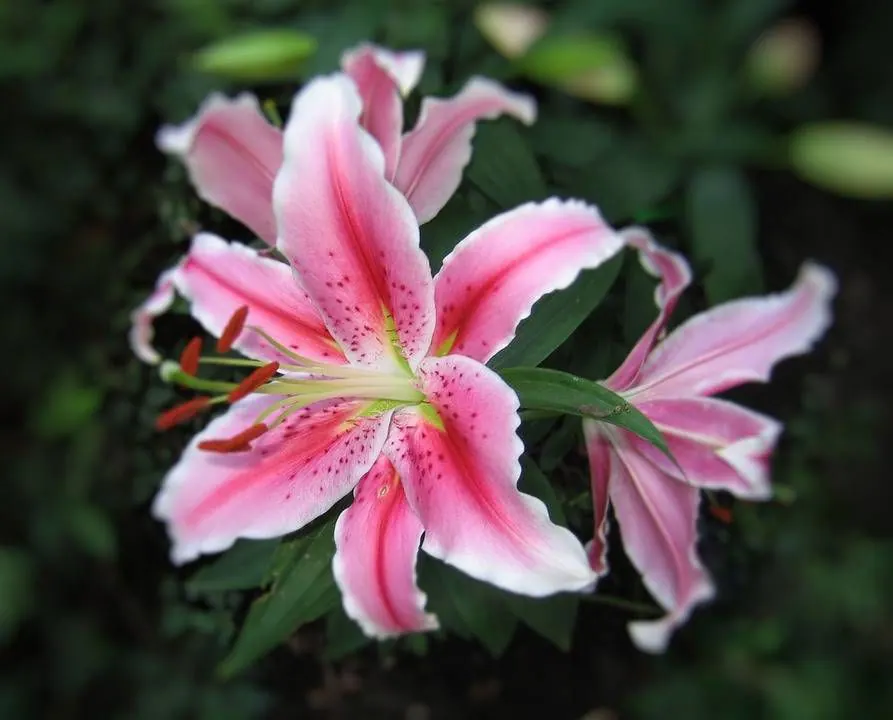
Energetic profile
- Pinyin name
- Bǎi Hé
- Characters
- 百合
- Botanical name
- Lilium brownii F.E.Br. ex Miellez
- Family
- Liliaceae
- Part used
- Bulb
- Nature
- Cool
- Flavor
- Sweet
- Meridians
- Heart, Lung
- Category
- Yin Tonifying
- Toxicity
- Non-toxic
- Pregnancy
- No contraindication described (always consult)
- Origin
- China, Japan, Korea
Actions according to tradition
- Nourish Lung Yin and stop cough
- Calm the spirit and relieve restlessness
- Clear the heat of the Heart
Traditional uses
- Dry cough with blood due to Lung Yin deficiency
- Agitation, insomnia and irritability after febrile illnesses
- Residual heat with vague feeling of illness, sadness without cause
- Debilidad general y fatiga post-enfermedad
- Tachycardia and palpitations due to heat of the heart
Studied effects and current applications
- Moistens the Lung and stops dry cough with blood
- Calms the spirit in states of post-fever agitation
- Clears residual heat from the Heart and Lung
- Mild and well tolerated, suitable for long-term use
- Propiedades inmunomoduladoras
Applications under investigation
- Chronic dry cough and tuberculosis
- Anxiety and mild depression
- Insomnio
- Menopause support with heat signs
- Chronic fatigue
An effect being investigated does not mean it has been proven in humans.
Contraindications and adverse effects
Absolute contraindications
- Spleen deficiency with diarrhea due to cold
- Cold-damp without Yin deficiency
Relative contraindications
- Wind-Cold Cough Without Yin Deficiency
- Flatulencia
- Pregnancy
- Generally safe during pregnancy.
- Breastfeeding
- Safe during breastfeeding.
- Children
- Safe for children. Well tolerated.
- Older adults
- Excellent for elderly people with dry cough, anxiety and insomnia due to Yin deficiency.
Possible adverse effects
- Rarely: mild diarrhea in cold constitutions
When to stop
- Diarrhea appears
- Signs of cold worsen
Interactions with medications
| Group | Drugs | Severity | Effect and recommendation |
|---|---|---|---|
| Sedatives and hypnotics | Benzodiazepinas, Zolpidem | Mild | Possible mild additive sedative effect Monitor sedation level. |
With other herbs
- suan_zao_ren Complementary to calm the spirit and insomnia due to Yin deficiency
Reference dose
- Decoction
- 9-30 g daily
- Powder
- 3-6 g daily
- Culinary use
- 15-30g cocido como alimento
- Acute use
- 2-4 weeks
- Chronic use
- 1-3 months
- Maximum
- Long-term use generally safe
- Children
- Safe for children. It can be added to congee or soup.
Forms of preparation
Boil 9-30g in 4 cups of water for 30-40 min. Drink warm.
Dry cough, post-fever agitation
Add 15-30g to the rice congee. Cook 1 hour. Nutritious and delicate.
Food use in convalescence, mild insomnia
Approximate doses from the literature; they are not a prescription. Consult a professional.
Active compounds
Polysaccharides, steroidal sterols and alkaloids (colchicine in traces)
Heteropolysaccharides · Immunomodulator, sedative, antitussive
HPA axis modulation, GABA-A receptor activation · 10-20% dry bulb
steroidal saponins · Anti-inflammatory, antitussive, sedative
COX-2 inhibition, bronchial smooth muscle relaxation · 0.1-0.5%
Tropolonic alkaloids · Anti-inflammatory, antimitotic (trace)
Inhibition of tubulin polymerization, mild anti-inflammatory · Traces (<0.01%)
Flavonoids · Antioxidant, anti-inflammatory
Free radical scavenging, NF-κB inhibition · 0.05-0.2%
Harvesting and processing
- Harvest
- Summer-autumn (July-September), when the flowers have withered
Bulbs excavated after leaf senescence. Scales are separated, washed and dried in the sun or with gentle heat. 3-4 year old bulbs have a higher polysaccharide content.
Bulb scales clean, separated and dried in the sun. They can be used fresh in medicinal cooking.
Flakes mixed with cane syrup and fried over low heat until they absorb the syrup and become translucent.
Health notice. Educational and study content. It describes concepts of Traditional Chinese Medicine and does not replace diagnosis or treatment by a healthcare professional. Needling, medicinal herbs and invasive techniques must be applied by trained professionals. Safety guide.