Spleen Not Controlling Blood
Blood leaks where it should not: endless periods, bruises that appear on their own, gums that bleed when brushing — and all of it in someone already tired and off their food.
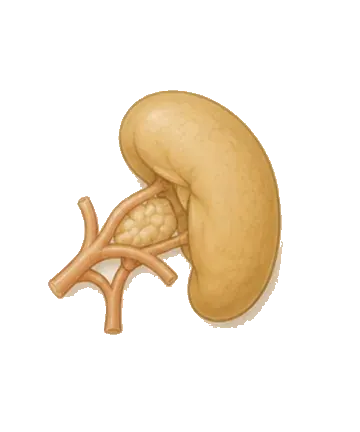
In plain words
Blood leaks where it should not: endless periods, bruises that appear on their own, gums that bleed when brushing — and all of it in someone already tired and off their food.
When the digestive function has been weak for a long time, it stops holding blood inside the vessels, like a riverbed that has lost its banks. Blood seeps rather than gushes, and every loss leaves the person weaker, so the holding gets worse still. That is why the bleeding never appears alone: fatigue, pallor and poor digestion always come with it.
Characteristic symptoms
- Excessive or prolonged bleeding of any type
- Menorrhagia or metrorrhagia (heavy uterine bleeding)
- Blood in stools or urine, pale or diluted in color
- Petechiae or easy bruising without apparent cause
- Extreme fatigue that worsens with bleeding
- Palpitations and mild shortness of breath
- Loss of appetite and weak digestion
- Pale and lackluster complexion
Key clues to recognize it
- Bleeding that is pale or watery in color, dripping continuously rather than gushing.
- Bruises with no remembered knock, and petechiae (tiny red dots under the skin) on the legs.
- Fatigue, pallor and weak digestion always sit beside the bleeding: it never stands alone.
Tongue and pulse
- Tongue
- Pale and thin tongue; thin white coating
- Pulse
- Weak (ruò), thin (xì) or forceless pulse
Treatment principle
Tonify Spleen Qi, nourish Blood and stop bleeding
Common points
Reference formula
Gui Pi Tang (Restore the Spleen Decoction)
What not to confuse it with
What aggravates it
- Hard physical effort or heavy lifting during the days of bleeding.
- Irregular meals and very restrictive diets.
- Late nights and long stretches of work without rest.
- Sustained worry and mental work with no pause.
Lifestyle advice
Avoid cold and raw foods that weaken the Spleen. Eat blood-nourishing foods: chicken liver, red dates, spinach, beets, legumes. Rest more than usual during bleeding episodes. Avoid intense exercise during hemorrhage periods.
When to see a doctor
Health notice. Educational and study content. It describes concepts of Traditional Chinese Medicine and does not replace diagnosis or treatment by a healthcare professional. Needling, medicinal herbs and invasive techniques must be applied by trained professionals. Safety guide.