Wind-Cold Invading the Lung
They caught a cold a couple of days ago: more chills than fever, aching body and stiff neck, no sweating, and the mucus is clear and runny.
In plain words
They caught a cold a couple of days ago: more chills than fever, aching body and stiff neck, no sweating, and the mucus is clear and runny.
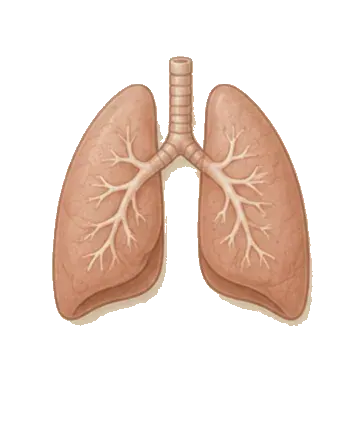
Cold and wind caught them with their guard down: a draught after sweating, a badly covered night, wet hair outdoors. The cold lodges at the body's surface and closes the pores there; that is why there is no sweat, and why piling on blankets does not stop the chills. The Lung, which governs that surface layer and opens at the nose, loses its normal downward flow and the air rebounds upward: cough and congestion. This starts abruptly and is counted in days, not months.
Characteristic symptoms
- Acute cough with thin, white or clear sputum
- Intense chills with mild fever (cold predominates over heat)
- Absence of sweating or very scanty sweating
- Occipital (nape of neck) headache and cervical stiffness
- Nasal pain and congestion with clear mucus
- Generalized body aches
- Aversion to cold and wind
- Slightly irritated throat but not very red or painful
Key clues to recognize it
- It started abruptly, one or two days ago: the person can almost name the hour.
- Far more cold than fever, and covering up does not stop the chills; there is also no sweating.
- Everything that comes out is clear or white and runny; the throat tickles but is not red and does not hurt on swallowing.
Tongue and pulse
- Tongue
- Tongue with white, thin and moist coating; tongue body normal or slightly pale
- Pulse
- Floating (fú) and tight (jǐn) pulse
Treatment principle
Disperse Wind-Cold, release the exterior and restore Lung Qi descent
Common points
Reference formula
Ma Huang Tang (Ephedra Decoction)
What not to confuse it with
What aggravates it
- Direct wind and cold: going out with wet hair, sleeping with the window open.
- Staying in sweaty clothes after exercise.
- Cold or raw food and drinks while it lasts.
- Leaving the nape of the neck uncovered outdoors.
Lifestyle advice
Dress warmly and avoid cold and wind. Drink hot ginger broth with scallions (cong bai). Rest and keep the body warm with blankets. Inhale steam with ginger or eucalyptus. Avoid cold foods and drinks during the acute process.
When to see a doctor
Health notice. Educational and study content. It describes concepts of Traditional Chinese Medicine and does not replace diagnosis or treatment by a healthcare professional. Needling, medicinal herbs and invasive techniques must be applied by trained professionals. Safety guide.